Understanding the software development life cycle
The software development life cycle (SDLC) is a set of steps teams use to plan, build, test, release, and maintain software. It helps a team manage work from an early business need through ongoing support. Agile is one way to organize that work within the SDLC. So, SDLC and Agile are not competing terms: one describes the overall life cycle, while the other describes an approach to managing development.
Every software project needs some form of planning, design, coding, testing, release, and care after launch. These activities may happen in a fixed order or repeat in short cycles. The chosen model shapes how teams handle feedback, risk, and change. It also affects when users can first try working software.
- SDLC: The broad process for building and maintaining software.
- Agile: An approach that delivers work in small steps and adapts through feedback.
- Agile SDLC: The life cycle carried out through repeated, flexible work cycles.
That distinction answers a common question: is SDLC Agile? No. Agile is a development method that can operate within an SDLC. Waterfall, spiral, and other approaches can also guide the same life cycle.
Key principles behind Agile
Agile grew from a set of values published in the Agile Manifesto. The authors favored people and teamwork over rigid processes, working software over long documents, customer collaboration over contract talks, and responding to change over sticking to a plan. These values do not mean that plans, documents, or contracts have no use. They mean teams should favor useful outcomes and close teamwork when trade-offs arise.
The Manifesto also sets out 12 principles. In practice, several ideas stand out: deliver useful software often, welcome changes that improve the product, and work with customers throughout development. Teams should reflect on their work and adjust how they operate. The Agile Manifesto and its principles are the original source for these values.
Agile is not a promise to skip planning or testing. A team still gathers requirements, weighs risks, and checks quality. The difference is that teams revisit those choices as they learn. Short feedback loops help them find a poor fit before it grows into costly rework.
Small releases make the approach visible. A team might ship a basic account setup flow, learn where users get stuck, then improve it in the next cycle. Each step gives the team evidence for the next decision.
How the Agile SDLC model works
The SDLC Agile model keeps the core work of software development but repeats it in small batches. A team sets a product goal, selects a few high-value needs, and builds a working slice. It tests that slice, shares it with users or stakeholders, and uses their feedback to guide the next cycle.
A cycle often lasts one to four weeks, though teams choose a length that suits their work. The team does not need every detail fixed at the start. It does need a clear goal, a ranked list of work, and agreed checks for quality. This balance gives teams direction without locking them into guesses.
Agile methods such as Scrum and Kanban offer different ways to manage the work. Scrum uses set work periods and named team events. Kanban tracks work as it moves through stages and limits how much work sits unfinished. Neither method replaces the SDLC. Each can shape how teams carry out its activities.
Agile also supports frequent integration and testing. Teams combine code changes often and check that the software still works. This helps spot faults early, when fixes are usually smaller. It also makes regular software delivery more realistic.
The main phases of an Agile SDLC
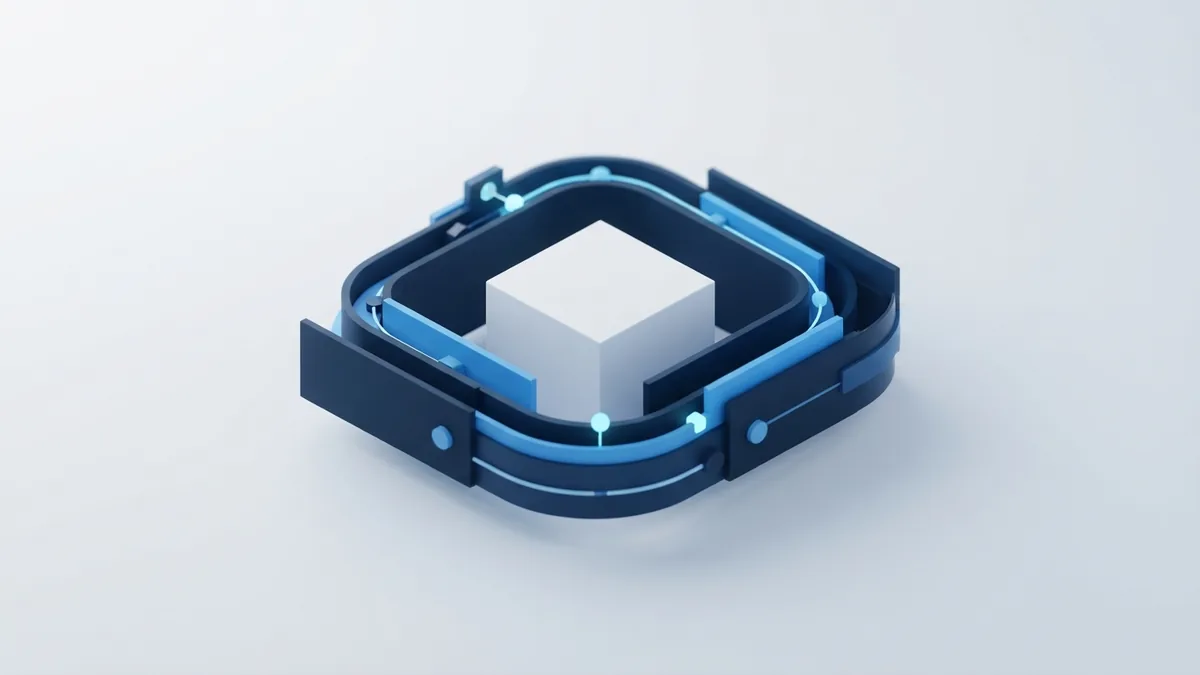
The sdlc agile phases are not a one-way chain. Teams revisit them during each cycle and may do some work side by side. A product still needs a broad direction, but details can grow as the team tests ideas.
- Concept and planning: Set the user need, business goal, scope, and key risks. Break the work into a ranked list of features.
- Requirements and design: Clarify the needs for the next small release. Sketch how the feature should work and check technical limits.
- Build: Write and review the code for a small set of agreed tasks. Keep the work small enough to finish within the cycle.
- Test: Check the feature against its needs and run checks for earlier functions. Fix defects before the team calls the work ready.
- Release and review: Put working software in users' hands when it is safe to do so. Gather feedback and discuss what the team learned.
- Maintain and improve: Monitor the live product, fix issues, and plan useful changes. The next cycle begins with better information.
These are recurring activities, not gates that a team passes only once. For example, a payment feature may need design, coding, and testing in several cycles. Each release can add a safe piece, such as a saved card option or a clearer error message.
Some projects need formal sign-offs, detailed records, or strict release controls. Agile teams can include those needs in their workflow. The team can still work in cycles while meeting its safety, audit, or customer needs.
SDLC vs Agile: what is the difference?
The phrase “SDLC vs Agile” can make the two sound like rivals. In fact, SDLC names the life cycle, while Agile names one way to run it. The more useful comparison is between Agile and other SDLC models, such as Waterfall.
| Area | Agile approach | Traditional fixed-plan approach |
|---|---|---|
| Work structure | Short cycles with repeated planning and delivery | Phases often follow a set order |
| Requirements | Refined as the team learns | Often set in detail near the start |
| Feedback | Frequent review of working software | May arrive mainly at key stage reviews |
| Change | Can be added to future cycles | May need formal review and plan changes |
| Delivery | Small releases can arrive often | A larger release may come near the end |
There is no single “difference between SDLC and Agile” because SDLC is not a method. If someone asks what the difference between SDLC and Agile is, explain that Agile is one model used to carry out SDLC work. The key contrast is flexibility: Agile expects learning and change, while a fixed-plan model aims to define more work up front.
Neither approach removes the need for control. A fixed plan can suit work with stable needs and strict handoffs. Agile can suit work where user needs may shift. Teams can also blend methods, using Agile cycles within wider approval or release rules.

Why teams use Agile within the SDLC
Agile can speed up delivery because teams aim to finish small, useful pieces rather than wait for a large release. Users may see value sooner, and stakeholders can judge real software instead of relying only on plans. Short cycles also help teams spot blockers while there is still time to respond.
Adaptability is another gain. If user needs shift, the team can change the order of future work. It does not need to rebuild the entire project plan before acting. This matters when a new rule, market change, or test result alters what the product should do.
Frequent testing and code integration can reduce late surprises. A team that checks each change may find faults before they spread across the product. That does not make defects impossible. It makes them easier to locate and fix.
Agile also strengthens customer collaboration. Regular reviews give users a chance to correct assumptions early. Teams still need to manage scope and protect time for quality. Without clear priorities, frequent requests can turn into constant churn.
- Use short cycles to show progress and gather feedback.
- Rank work by user value, risk, and business need.
- Keep testing and code review part of each cycle.
- Track changes so new requests do not hide cost or delay.
When to choose Agile over another SDLC model
Choose Agile when the product's needs are likely to change or remain unclear at the start. It can work well for new digital services, customer-facing features, and products that need ongoing improvement. It also suits teams that can reach users or decision-makers often.
A fixed-plan model may fit better when needs are stable, work must follow set handoffs, or late changes carry high cost. Some safety-critical or regulated work needs firm records and approvals. Agile can still be used there, but the team must build those controls into each cycle.
Before choosing, ask how often users can review the product and how easily the team can release updates. Check whether the team has a clear product owner who can rank work. Also ask whether leaders will support changing priorities as new evidence appears.
Agile works best when teams can finish small slices and learn from them. If work cannot be split safely, or feedback is rarely available, another model may be easier to manage. The right choice depends on risk, user access, and the shape of the work.
Frequently asked questions
What is SDLC Agile?
SDLC Agile is the software development life cycle run through short, repeated cycles. Teams plan, build, test, and review small releases, then use feedback to guide the next cycle.
Is SDLC the same as Agile?
No. SDLC describes the broad life cycle of software, while Agile is an approach for managing development work within that life cycle.
What are the phases of the Agile SDLC?
Common phases include planning, requirements and design, building, testing, release, and maintenance. Teams revisit these activities during each cycle.
What is the difference between SDLC and Agile?
SDLC is the full process for creating and supporting software. Agile is one flexible model for carrying out that process, with repeated delivery and feedback.
When should a team choose Agile?
Agile is a strong fit when needs may change, users can review work often, and the team can deliver small pieces. A fixed-plan model may fit stable needs and strict handoffs better.