
Introduction to the Software Development Life Cycle
The software development life cycle is a structured method for building and supporting software. It guides teams from an early idea through live service work. This guide can describe software development life cycle work in clear, practical terms.
The SDLC improves project management by giving each stage a goal and review point. It helps teams control scope, cost, quality, and risk. The software engineering development life cycle also gives technical staff a shared way to work.
Most teams follow seven phases. These are planning, analysis, design, coding, testing, deployment, and maintenance. The phases may overlap, repeat, or run in short cycles.
Good software development life cycle documentation connects decisions across every phase. It records needs, risks, design choices, test results, and release notes. That record helps new staff act with less guesswork.
Phases of the SDLC
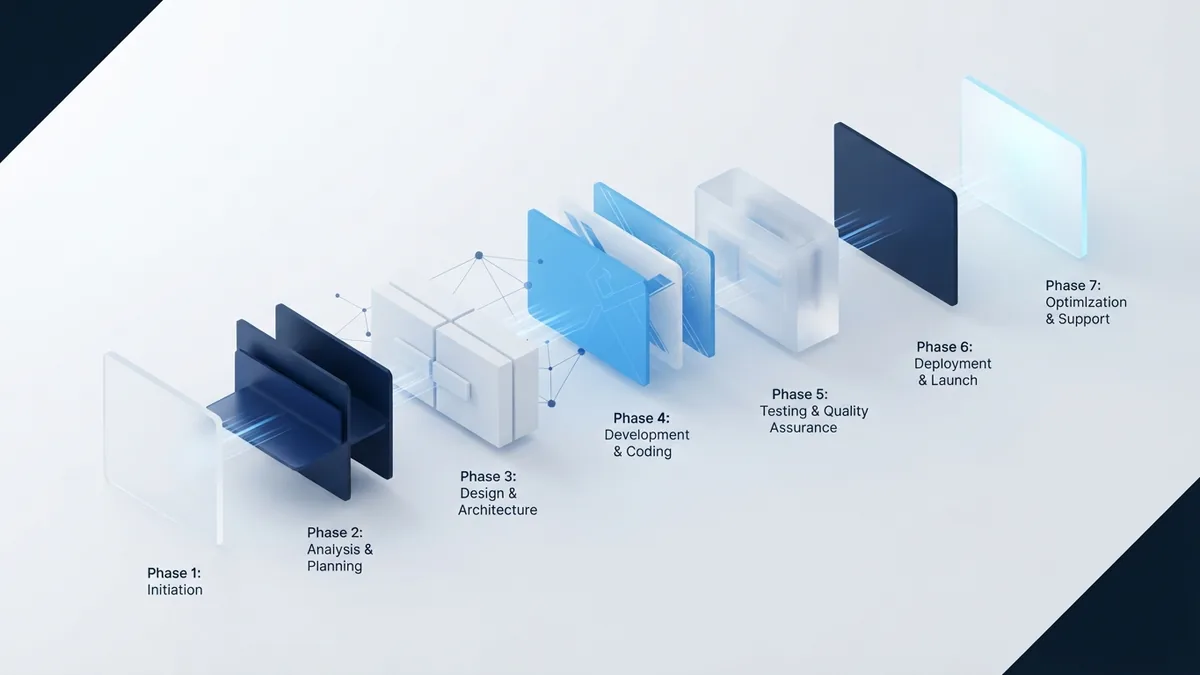
The phases of software development form a path from need to working service. Each phase creates useful outputs for the next one. Teams should review those outputs before moving ahead.
1. Planning and analysis
Planning in software development life cycle work starts with the business goal. The team defines users, scope, budget, timing, and success measures. This is the first step in the software development life cycle for most projects.
Software development life cycle planning also sets roles and decision rules. Teams name risks, limits, and key trade-offs early. Risk management in software development helps prevent late surprises.
Analysis tests whether the idea solves a real need. Requirements gathering may use interviews, support data, workshops, and product research. Clear acceptance checks turn broad needs into testable results.
2. Design and coding
Design turns requirements into a plan for the product and its code. It covers system structure, data flow, security, and outside services. Small trials can test hard ideas before the team writes much code.
Coding then turns the design into working features. Developers should use source control, code review, and small changes. These software engineering development activities make faults easier to find.
3. Testing and deployment
The software development life cycle testing phase checks if the product meets its needs. Tests may cover units, services, full systems, security, and user approval. Early checks cost less than fixes found after release.
Deployment in software development life cycle work moves approved code into a live setting. Teams can release to a small group first. A rollback plan limits harm when a release fails.
4. Maintenance
Software development life cycle maintenance keeps the service safe and useful. It includes bug fixes, security patches, speed work, and new features. Live support data often reveals needs missed during planning.
The final step in the software development life cycle is not a true end. Maintenance feeds new needs into the next planning cycle. This loop supports steady improvement.
Common Software Development Life Cycle Methodologies
Software development life cycle methodologies set the order and pace of work. The main software development life cycle types differ in change control and review timing. Choose the model based on risk, need clarity, and release goals.
| Model | Best fit | Main trade-off |
|---|---|---|
| Waterfall | Stable needs and fixed steps | Late change costs more |
| Agile | Change and frequent feedback | Needs strong team habits |
| V-Model | Strict checks and safety needs | Less flexible when needs shift |
| Spiral | High risk and complex systems | Needs skilled risk review |
Waterfall, V-Model, and Spiral
Waterfall moves through set stages with formal sign-offs. It suits work with stable needs and clear rules. It becomes hard to change direction after design and coding.
The software development life cycle V model pairs each build stage with a test stage. It suits products that need strong proof of safety. The spiral software development life cycle model repeats planning, design, and risk review.
Agile and DevOps
What is agile software development life cycle work? It is a repeated cycle of planning, building, testing, and feedback. Teams deliver small slices instead of waiting for one large release.
The software development life cycle agile model welcomes new learning during delivery. Agile works best when users can give fast feedback. Defect life cycle in agile work also needs clear states, owners, and fix checks.
DevOps software development joins build work with release and service care. A devops software development life cycle uses automation, shared ownership, and fast feedback. It reduces the gap between coding and live support.
Software Development Life Cycle Best Practices
Strong habits make the SDLC more useful than a phase list. Teams need clear records, fast feedback, and visible risks. These practices work across most software development life cycle methodologies.
- Keep scope clear: Write what the release will do and what it will not do.
- Engage stakeholders: Show working slices and ask focused questions.
- Test early: Check risky features before full build work.
- Automate checks: Run tests and scans on each code change.
- Review risk: Track owners, warning signs, and response plans.
- Keep records useful: Update decisions when the system changes.
Continuous integration and deployment, often called CI/CD, helps teams ship small changes. Each change enters shared checks soon after coding. A failed check stops the change before it reaches users.
The NIST Secure Software Development Framework gives teams a trusted set of secure build practices. It is useful when security needs to span planning, coding, testing, and release. Teams should adapt its advice to their product and threat level.
Tools and Standards for SDLC Work
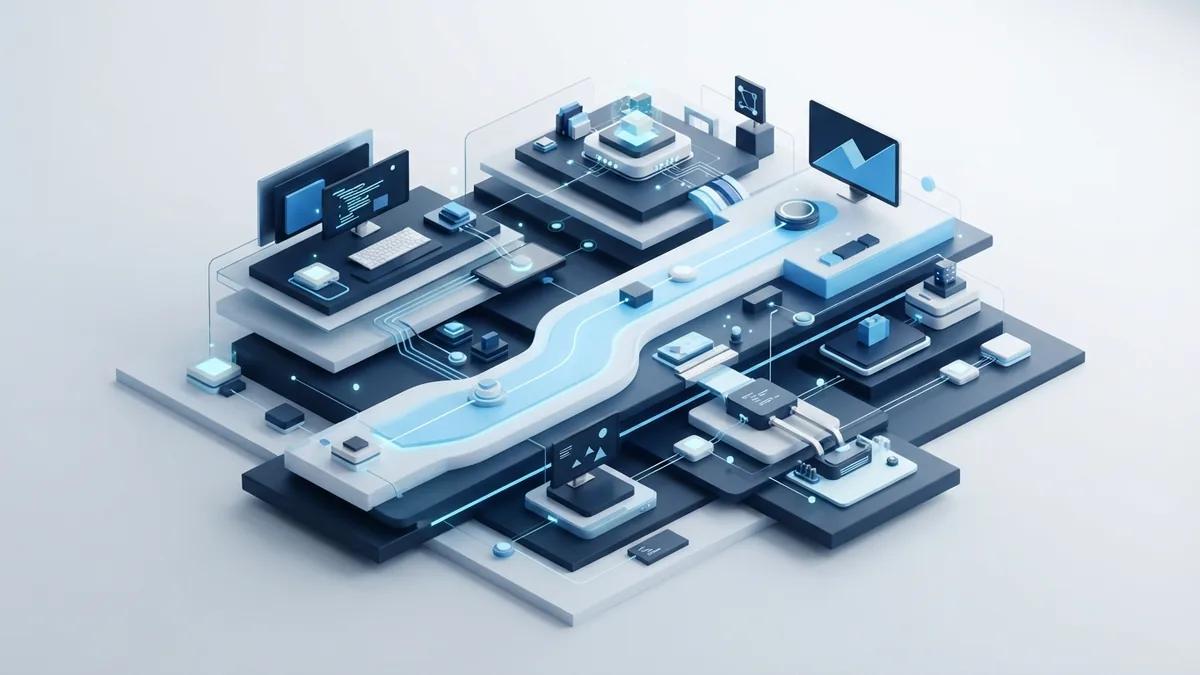
Software development life cycle tools should make work visible and repeatable. Common tool groups include issue tracking, source control, build checks, test runs, and service alerts. The best stack removes handoffs instead of adding more screens.
Cloud software development adds shared services, remote build jobs, and elastic test systems. SaaS software development life cycle work also needs tenant safety, uptime checks, and clear release control. These needs belong in design and testing, not only after launch.
Software development life cycle in Java uses the same core phases as other languages. Java tools may support code checks, unit tests, package builds, and service release steps. The language changes the tools, but not the need for clear goals and checks.
The term NIST software development life cycle often points to secure build guidance. ISO 12207 also gives a broad process view for software life cycle work. These sources can support a standard software development life cycle, but teams still need local rules.
Microsoft software development life cycle guidance is another example of a vendor model. ITIL software development is different because ITIL focuses on service management. It can support software work, but it does not replace an SDLC model.
Challenges in Software Development and Practical Fixes
Scope creep is a common problem. New requests can enter without new time, staff, or budget. Use a change log and show the cost of each added request.
Communication can fail across product, design, engineering, and service teams. Shared plans and short reviews help keep facts aligned. One owner should resolve each blocked decision.
Quality assurance can also weaken under release pressure. Teams may skip tests when deadlines feel close. Protect checks for security, core flows, data safety, and failure recovery.
Software development life cycle management needs useful measures. Track escaped defects, lead time, failed releases, recovery time, and user outcomes. These measures show where the process needs change.
Conclusion and Future Trends
A clear SDLC helps teams build useful software with less waste. It links planning, analysis, design, coding, testing, deployment, and maintenance. The right model depends on change, risk, rules, and feedback speed.
Future work will bring more automation, cloud services, and shared security checks. Teams will still need sound judgment and clear ownership. Tools can speed work, but they cannot define the right product alone.
Use the SDLC as a working guide, not a rigid ritual. Review each phase, keep records current, and learn from live results. That approach supports safer releases and stronger long-term products.
Frequently asked questions
What is the software development life cycle?
The software development life cycle is a structured method for planning, building, testing, releasing, and supporting software. It gives teams shared steps and review points.
What is the first step in the software development life cycle?
The first step in software development life cycle work is usually planning. The team defines the goal, users, scope, budget, timing, and key risks.
What are the main software development life cycle phases?
The main phases are planning, analysis, design, coding, testing, deployment, and maintenance. Teams may repeat or combine phases.
What is an Agile software development life cycle?
An Agile software development life cycle repeats planning, building, testing, and feedback in short cycles. It helps teams adapt when needs change.
What are software development life cycle best practices?
Useful practices include early testing, stakeholder feedback, clear records, risk reviews, code review, and CI/CD automation. These habits reduce waste and late defects.
What is the final step in the software development life cycle?
Maintenance is the final named phase in many SDLC guides. It includes fixes, security work, support, and improvements that inform the next cycle.