What Agile SDLC means
Agile SDLC is an iterative and incremental way to plan, build, test, and release software. Instead of waiting until the end to show a finished product, a team delivers useful pieces in short cycles. Each cycle brings feedback that can shape the next one.
SDLC means software development life cycle. The Agile SDLC methodology applies Agile values across that life cycle, from early discovery through ongoing support. It suits work where needs may change or where users can help guide the product as it takes shape.
For example, a team building a booking service might first release search and booking. It could then add account tools after watching how customers use the first version. This approach makes the answer to “what is Agile SDLC?” concrete: build in small steps, learn from each step, and adapt the plan.
The principles that guide Agile teams
Agile puts close teamwork, working software, and customer feedback at the heart of development. The Agile Manifesto describes these values in its statement of Agile values and principles. In day-to-day work, teams use them to make choices about what to build and how to respond when plans change.
Collaboration means that developers, testers, product leads, and stakeholders share information often. Flexibility means the team can revise priorities when new facts arise. It does not mean working without a plan. The team keeps a shared goal, then adjusts the route as it learns.
Customer feedback helps the team test whether a feature solves a real problem. Rapid delivery gives users a chance to try useful software sooner. Teams often describe needs as user stories, such as “As a buyer, I want to save a delivery address.” A clear story helps the team discuss value and set a way to test success.
- Work in small, testable increments.
- Share progress and risks across the team.
- Ask for feedback while change is still manageable.
- Use working software to judge progress.
These ideas work best when teams can speak openly. A steady rhythm of planning, building, and review makes that possible.
Agile and Waterfall compared

The main difference between Agile and the sdlc methodology waterfall is the order of work. Waterfall follows a linear process, with stages such as requirements, design, build, test, and release. Teams often finish one stage before they start the next. Agile revisits planning, building, and testing in repeated cycles.
Waterfall can fit work with stable needs, fixed handoffs, or strict approval gates. Its plan can make scope and timing easier to map early. Yet late changes may cost more if they affect work already approved or built. Agile makes change easier to handle, though it still needs clear goals and sound choices about scope.
Neither approach guarantees a good result. A team should weigh how much its needs may change, how often users can give feedback, and what records or approvals the work requires. Some teams use a blend, such as fixed approval points with iterative software builds.
| Area | Agile | Waterfall |
|---|---|---|
| Work flow | Repeated short cycles | Linear stages |
| Feedback | Gathered throughout development | Often strongest at stage reviews or after release |
| Change | Can reshape upcoming work | May require changes to approved plans |
| Delivery | Useful pieces can ship early | Often ships after the full build |
In short, Agile favors frequent learning, while Waterfall favors a planned sequence. The right model depends on the work, not on which label sounds newer.
Common phases in an Agile SDLC
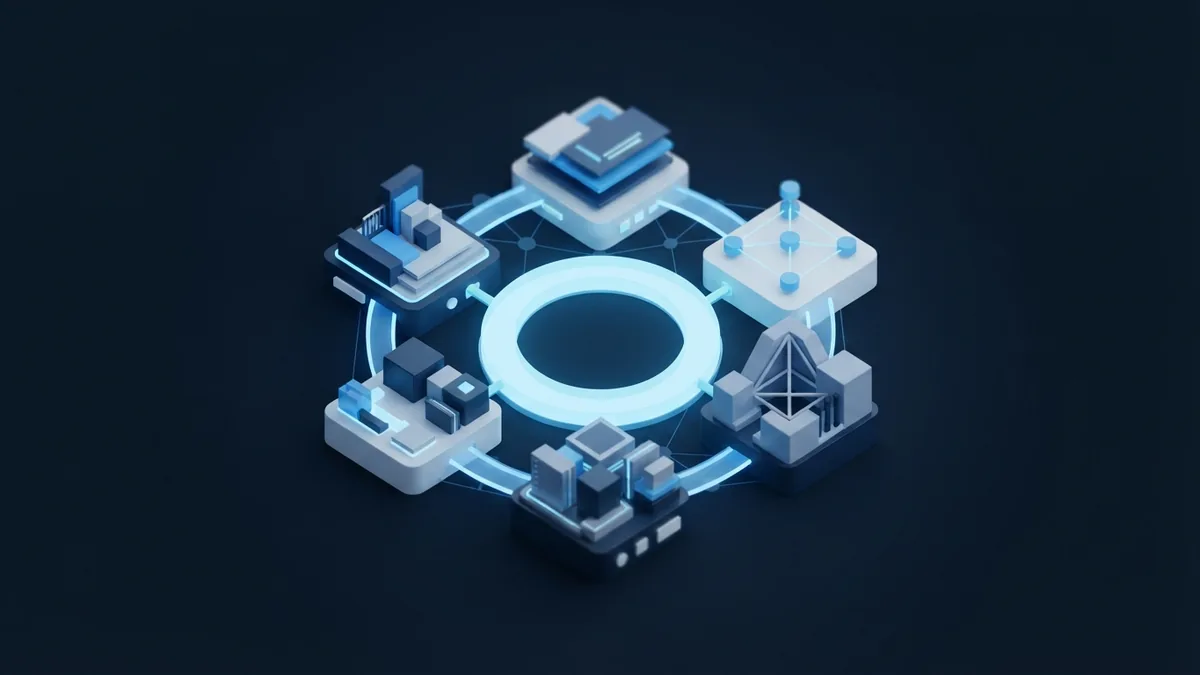
Agile work still has a life cycle, even when teams do not treat it as a one-way path. A common view includes concept, inception, iteration, release, maintenance, and retirement. Teams may revisit earlier phases when user needs or business goals shift.
At the concept stage, the team checks the problem, likely users, and business value. Inception then sets the first goals, team roles, risks, and initial work list. The team does not need every detail before starting. It needs enough shared understanding to take a safe first step.
During iteration, the team plans a small set of tasks, builds them, and tests the result. A sprint is a fixed work period used by Scrum teams, often lasting one to four weeks. At the end, the team can review a working increment and decide what to tackle next.
Release makes a tested set of features available to users. Maintenance covers fixes, updates, and new needs after launch. Retirement comes when the product or a part of it no longer serves a useful purpose. Planning for that end can include data moves and support for users who need a replacement.
- Concept: Check the problem and the value of a possible solution.
- Inception: Set the first goal, team, risks, and work list.
- Iteration: Build, test, and review small product changes.
- Release: Ship a tested update when it is ready.
- Maintenance: Fix issues and improve the live product.
- Retirement: Close or replace the product with care.
These phases give teams a useful map, not a rigid checklist. The work can loop back when feedback shows a better path.
Why teams choose Agile SDLC

Faster delivery is a common benefit of Agile. A team can release a small, useful feature before the whole product is done. That helps users gain value sooner and gives the team real feedback instead of relying only on early guesses.
Agile can also make a product more adaptable. If customer needs shift, the team can change the next work cycle without rebuilding a full plan. This is especially useful for new services, where usage data and user comments may reveal needs that were not clear at the start.
Product quality can improve when testing happens throughout development. Frequent checks can catch faults closer to the point where they began. Smaller changes are also easier to review than one large release. Still, Agile does not remove the need for strong testing, good design, or technical care.
There are trade-offs. Frequent collaboration takes time, and weak priorities can lead to a stream of unfinished requests. Teams need a clear product goal, a person who can make scope choices, and enough focus to finish each cycle. Agile helps teams learn faster; it cannot replace sound decisions.
Popular Agile frameworks
Agile is a set of values and principles, not one fixed process. Frameworks give teams shared ways to plan and manage work. Scrum, Kanban, and Extreme Programming (XP) are widely used, and each puts focus on a different part of delivery.
Scrum organizes work into short sprints. The team chooses work during sprint planning, checks progress in brief daily stand-ups, and reviews the result at the end. A retrospective then gives the team time to discuss what to change in its way of working.
Kanban makes work visible and limits how many tasks can be in progress at once. This can help teams spot bottlenecks and keep work moving. XP focuses on software craft, with practices such as pairing, frequent testing, and small releases. Teams can also combine useful practices from more than one framework.
- Scrum: A good fit when a team wants set planning and review cycles.
- Kanban: Useful for ongoing work and flow across changing requests.
- XP: Helpful when code quality and frequent technical checks need focus.
Choose a framework based on the team’s work and needs. A process should make delivery clearer, not add meetings without a purpose.
Best practices for putting Agile into action
Start with a clear product goal and a small, ranked list of work. Break large requests into pieces the team can build and test within a short cycle. Agree on what “done” means, including tests, review, and any needed notes. This keeps small releases useful rather than merely fast.
Use continuous integration to bring code changes together often and run checks on them. This can reveal conflicts sooner than waiting until the end of a project. Keep the checks useful and quick enough that the team can act on failures right away.
Bring stakeholders into reviews at a steady pace. Ask them to assess working features, not just plans or slide decks. Hold regular retrospectives, then choose one or two changes to try in the next cycle. A small, tested change to the team’s process is easier to judge than a long list of promises.
Finally, protect focus. Daily stand-ups should surface blockers, not turn into long status reports. Track a few useful measures, such as completed work, escaped bugs, or time from request to release. Use those measures to guide discussion, not to rank people or force a fixed output.
Frequently asked questions
What is Agile SDLC?
Agile SDLC is an iterative way to plan, build, test, and release software. Teams deliver in small increments and use feedback to guide future work.
How does Agile SDLC differ from Waterfall?
Waterfall follows a linear sequence of stages. Agile repeats planning, building, and testing in short cycles, so teams can use feedback to adjust upcoming work.
What are the phases of Agile SDLC?
A common view includes concept, inception, iteration, release, maintenance, and retirement. Teams may revisit earlier phases as needs change.
What are the main benefits of Agile SDLC?
Agile can help teams deliver useful features sooner, adapt to changing needs, and find defects earlier through frequent testing. Results still depend on clear goals and good team practices.
Which Agile frameworks are most common?
Scrum, Kanban, and Extreme Programming are common choices. Scrum uses sprints, Kanban focuses on work flow, and XP emphasizes software craft.
When should a team use Agile instead of Waterfall?
Agile often fits work with changing needs and regular access to user feedback. Waterfall may fit work with stable requirements and fixed approval stages.