
What software development methodologies do
Software development methodologies are ways to plan, build, test, and release software. They set out how work moves from an idea to a working product. Some use fixed stages and plans. Others rely on short cycles and frequent feedback.
The right method helps a team manage risk, share work, and deliver useful software. It can also make roles and decisions clear. No single approach suits every project. A team building safety-critical software may need firm checks, while a new product team may need room to change course.
These methods shape the software development life cycle, or SDLC: the steps a product takes from planning through support. The sections below cover common types, how they differ, and when they fit best.
Traditional methods: Waterfall and V-Model
Traditional software development methodologies often set work in stages. In the Waterfall model, a team moves from needs to design, build, test, and release. Each stage tends to finish before the next begins. This can make progress and costs easier to plan when needs are stable.
The trade-off is late feedback. If users or business needs change after the design stage, the team may need to redo work. Waterfall can fit projects with clear needs, fixed contracts, or strict review steps. It is less suited to products that must change often.
The V-Model pairs each build stage with a matching test stage. For example, system design links to system testing, while detailed design links to unit testing. Testing plans start early, but much of the actual testing comes after code is built. This structure can help teams trace each need to a test.
- Waterfall: A staged path, best when needs are known and change is limited.
- V-Model: A staged path that links design work to planned test work.
Neither method means testing should be an afterthought. Teams can review needs and test plans early, even when most code checks happen later.

Agile methods and their core ideas
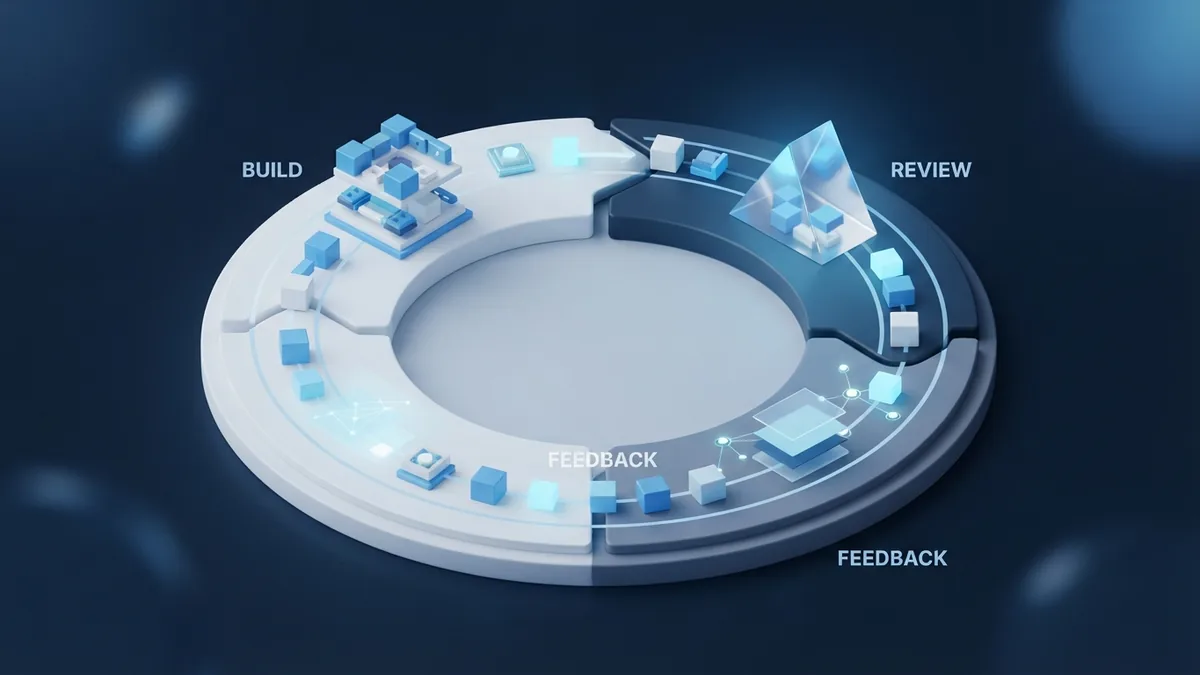
Agile development breaks work into small pieces and uses feedback to guide the next step. A team may plan, build, test, and review a small set of features in a short cycle. This lets people spot problems sooner and adjust priorities as they learn.
Agile is a set of values and principles, not one fixed process. The Agile Manifesto favors working software, close teamwork, and adapting to change. It does not mean skipping plans or records. It means using them in ways that help deliver value.
Scrum is one common Agile framework. It uses short work cycles called sprints, often lasting one to four weeks. A product owner orders the work, while the team chooses what it can finish. A review at the end helps the team gather feedback and set the next goal.
In Agile methods, testing happens throughout the work, not only at release time. Developers can check small code changes, then test features with other parts of the product. Regular checks help catch defects while they are still easier to fix.
- Plan a small set of high-value tasks.
- Build and test those tasks during the same cycle.
- Review the result with users or stakeholders.
- Use feedback to shape the next cycle.
Lean and DevOps: methods that extend the work
Lean software development aims to deliver value while reducing waste. Waste can include features no one uses, long waits for approval, or repeated handoffs. Teams look for delays and bottlenecks, then improve the flow of work. Lean can pair well with Agile practices.
DevOps brings development and operations work closer together. Rather than handing finished code to a separate group, teams share responsibility for release and support. Automation can help teams build, test, and ship changes more often. Continuous integration means joining code changes often and checking them with automated tests.
Continuous delivery keeps tested changes ready to release. Continuous deployment goes further by releasing each approved change without a separate manual release step. These practices need sound tests and safe ways to undo a change. They are not a fit for every system or risk level.
These advanced software development methodologies and practices focus on the flow from code to live service. A team can use Lean ideas without adopting every DevOps tool. The goal is to remove delays and make change safer.

How the main methods compare
Methods differ in how they handle change, feedback, and testing. Traditional models give more weight to defined stages and records. Agile favors short feedback loops. Lean and DevOps aim to improve how work moves across teams and into use.
The table offers a starting point, not a rulebook. Many teams blend methods. A firm plan can sit alongside Agile delivery, while a DevOps team can still use formal sign-offs for risky releases.
| Method | Change and planning | Testing pattern | Often fits |
|---|---|---|---|
| Waterfall | Stages and scope set early | Most testing follows build work | Stable needs and fixed milestones |
| V-Model | Stages set early, with test links | Tests map to design stages | Projects needing traceable checks |
| Agile | Plans adjust each short cycle | Checks happen throughout | Products with changing needs |
| Lean and DevOps | Flow and frequent delivery | Automated checks support releases | Teams improving release speed |
When people ask, “In Agile methodologies for software development, when is testing done?” the short answer is: throughout each cycle. Teams test as they build, then check the full product before release. The exact mix depends on the risk and the type of software.

Choosing a method for your project
Start with the project, not the trend. Consider how clear the needs are, how costly a defect would be, and how often priorities may shift. Then check the team's size, skills, and access to users.
A small team can often talk through changes quickly. A large team may need shared plans and clear links between tasks. A project with many outside teams may also need set review points. These needs do not rule out Agile; they shape how a team applies it.
Use these questions to narrow the choice:
- Are the needs stable, or will users help shape them over time?
- How serious would a failure be for users or the business?
- Can the team test changes often and get useful feedback?
- Does the work need formal records or outside review?
- How many teams must coordinate each release?
Choose a simple starting method, then review how it works after a few delivery cycles. Track useful signs such as missed needs, time spent waiting, defects found after release, and user feedback. Change the process when those signs show a clear problem.
For example, a new customer portal may suit Agile because needs can shift after user trials. A system tied to safety checks may need the traceable test links of the V-Model. A mature product with frequent updates may gain from DevOps practices.
What comes next for software methods
Software development processes and methodologies keep changing as tools and teams change. More teams now link planning, coding, testing, and release work. Automated checks can speed up routine tasks, while people still judge risk and product value.
Future methods will likely blend approaches rather than replace them. Teams may keep formal review steps for high-risk parts and use short Agile cycles elsewhere. The best process is the one that helps a team build reliable software, learn from use, and respond to change without adding needless work.
Frequently asked questions
What are software development methodologies?
They are ways to plan, build, test, and release software. Each method sets a different pattern for work, feedback, and risk.
What are the main types of software development methodologies?
Common types include Waterfall, V-Model, Agile, Lean, and DevOps practices. Teams often combine parts of more than one method.
When is testing done in Agile software development?
Testing happens throughout each work cycle. Teams check code as they build, then test how features work together.
What is the difference between Agile and Waterfall?
Waterfall sets work in stages, with much testing after the build. Agile works in short cycles and uses feedback to adjust plans.
How do I choose a software development method?
Consider how often needs may change, the cost of defects, team size, and access to users. Also account for review and record needs.