How software life cycle models shape a project
The waterfall life cycle model guides software work through a set order of phases, from requirements to maintenance. A team finishes each phase before moving on. This makes the model easy to plan and review, but costly changes can be hard to absorb later.
A software life cycle model sets out how a team plans, builds, tests, releases, and supports a system. It gives people a shared view of the work and its checkpoints. The right choice depends on how clear the needs are, how much change is likely, and how much risk the system carries.
Waterfall is one way to arrange that work. Agile takes a different path, with short build cycles and regular feedback. Neither model suits every project, so teams should weigh the work before choosing a method.
- Choose waterfall when needs are stable and reviews must be planned.
- Choose agile when feedback and change are part of the work.
- Both models still need sound testing, clear ownership, and support plans.
What the waterfall life cycle model means
The waterfall model is a structured approach to software work. Work moves through defined stages in sequence, much like water flowing down steps. A phase life cycle model sets clear entry and exit points for each stage.
Teams usually agree on the scope and requirements before detailed design begins. They then build the planned system, test it, and prepare it for release. A review or sign-off may mark the end of each stage.
The model took shape in the early history of software engineering. In a 1970 paper, computer scientist Winston W. Royce described a staged approach to large software projects. He also warned that a simple, one-way process could fail. Royce urged teams to add feedback and testing, rather than treating each step as final.
That history matters. Waterfall is often described as a strict, one-pass method, yet real projects need checks between phases. Teams can still use reviews, prototypes, and early tests to spot flaws before they reach late-stage work.
The six main phases of waterfall development
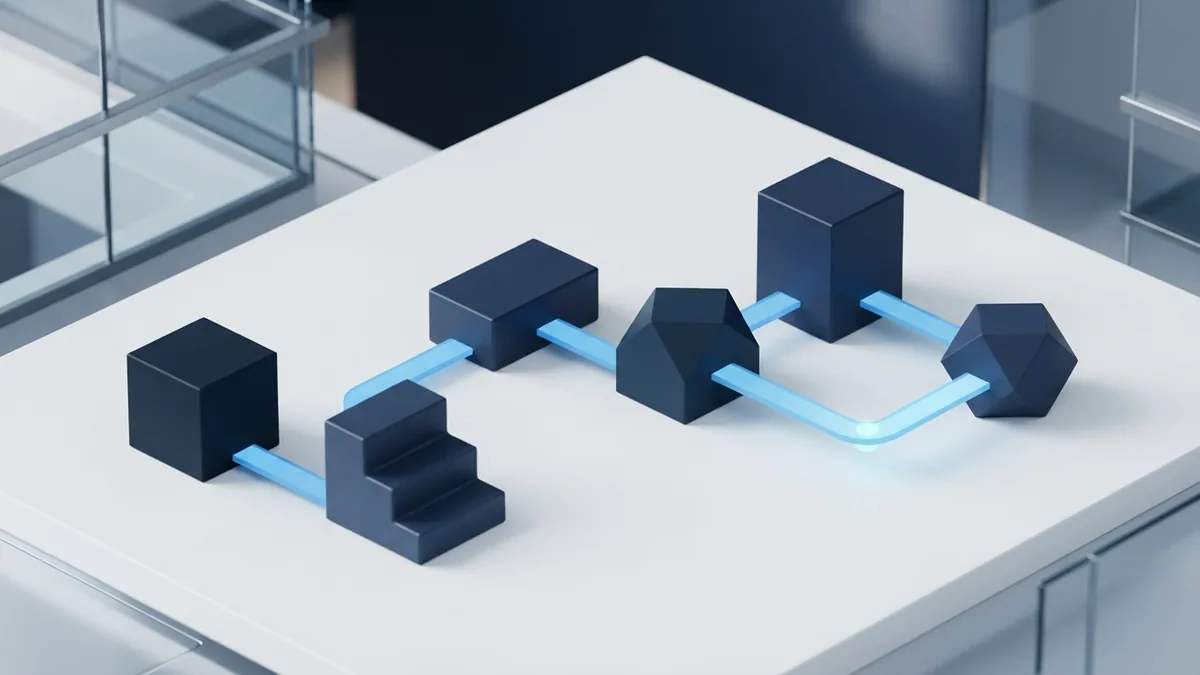
Most waterfall projects use six core phases. The names may vary, but the purpose stays much the same. Each phase creates work products that guide the next step.
- Requirements analysis: Gather user needs, business rules, limits, and success measures. Record what the system must do and how teams will check it.
- Design: Plan the system’s structure, data, interfaces, and key parts. Technical teams use this plan to guide the build.
- Implementation: Write and connect the software based on the agreed design. Developers may also run basic checks as they work.
- Testing: Check that the system meets its requirements and works as a whole. Teams find and fix faults before release.
- Deployment: Move the system into its live setting. This phase may include data moves, staff training, and a staged launch.
- Maintenance: Fix faults, apply needed updates, and keep the system useful after release. Support work can last for years.
These phases rely on one another. A missed requirement can lead to a design gap, then a build flaw, and finally a late test failure. Clear records and regular reviews help teams catch those gaps sooner.
Testing should not wait until the testing phase to begin. Teams can review requirements and design for gaps before code exists. This early quality work lowers the chance of a costly fix near launch.
Waterfall and agile: two different ways to plan
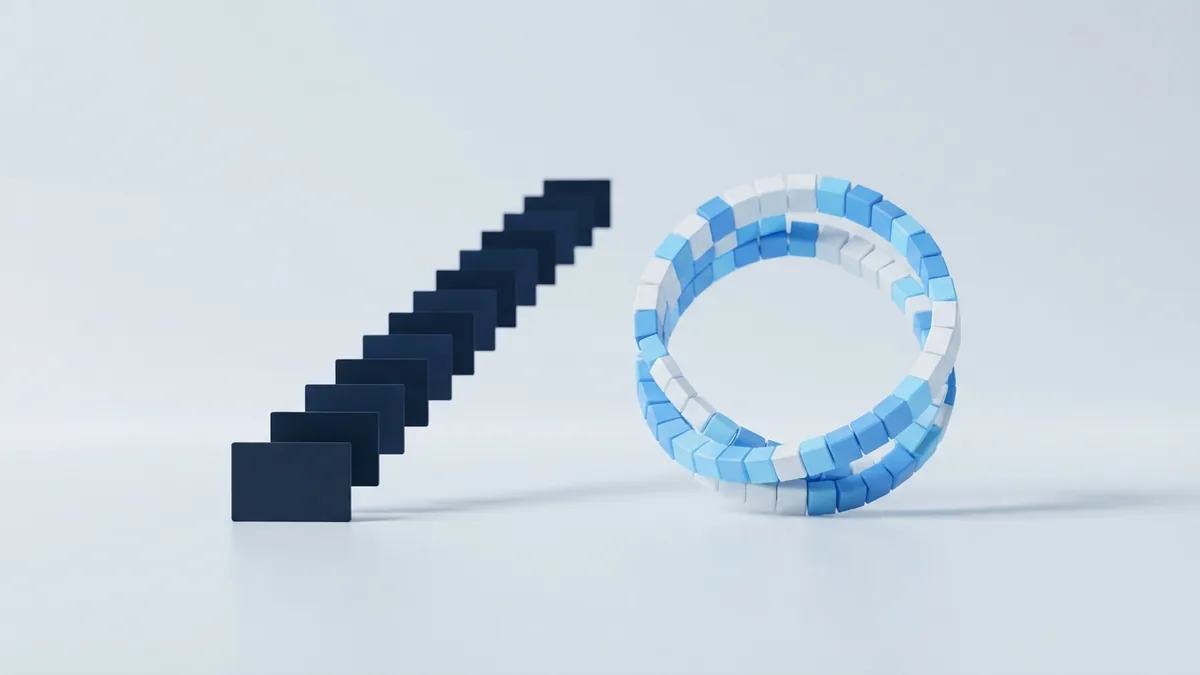
The agile life cycle model breaks work into short cycles. A team plans a small part, builds it, tests it, and shares it for feedback. Then it uses what it learned to plan the next cycle.
People asking “what is agile life cycle?” often want to know whether agile means no plan. It does not. Agile teams plan often, but they keep plans open to change as they learn more. Waterfall aims to define more of the work before the build starts.
| Area | Waterfall | Agile |
|---|---|---|
| Work flow | Phases follow a set order | Work repeats in short cycles |
| Requirements | Set early and tracked | Refined as feedback comes in |
| Delivery | Often one main release | Frequent small releases are common |
| Change | Can require formal rework | Built into planning and review |
| Customer input | Often strongest at the start and review points | Regular input helps shape each cycle |
Agile can reveal whether a feature works for users before the whole product is done. Waterfall can make dates, scope, and review points easier to map when needs stay fixed. Agile still needs records and safeguards, while waterfall can include feedback loops.
Some teams blend the two. They may use set review gates for security or funding, while building parts of the product in short cycles. The key is to make the chosen rules clear to everyone.
When each model fits a software project
Waterfall can fit projects with stable needs, fixed review steps, and a clear end goal. For example, a team replacing a known internal record system may have set data fields, fixed reports, and a firm launch window. The team can map work in advance and review each result against agreed rules.
It can also suit projects with strict approval needs. A public agency or a firm in a regulated field may need signed requirements, design records, and test evidence. Waterfall offers clear points to collect and check those records.
Agile is often a stronger fit when users need to try early versions. A new booking service, for instance, may need several rounds of user feedback before the team knows which steps feel clear. Short cycles let the team test ideas without waiting for a full release.
Use these questions when choosing a life cycle model in software engineering:
- Are the core needs known and unlikely to change?
- Can users give feedback during development?
- Do laws, safety needs, or contracts call for fixed review records?
- Can the team release and test small parts on their own?
- What would a late change cost in time, money, or risk?
Waterfall is not the same as the software testing life cycle. Testing has its own tasks, such as planning, case design, test runs, and defect checks. In waterfall, those tasks sit within the wider project plan, though good teams start test planning early.
Benefits, limits, and common pitfalls
Waterfall gives teams a clear order of work and defined review points. It can help managers track scope, cost, and progress. It also creates records that aid handover, audits, and future support.
The main risk is finding a wrong assumption too late. If users see a working system only near the end, the team may have built the wrong thing. A change then affects plans, design, code, and tests.
Another pitfall is treating sign-off as proof that requirements are correct. People may agree to a document without seeing how a process works in practice. Use examples, mock-ups, or a small prototype when a need is unclear.
Teams can also understate integration and testing work. Separate parts may pass local checks but fail when joined together. Plan tests around real user tasks, data moves, and failure cases.
Reduce these risks with practical checks:
- Ask users to review requirements with real examples.
- Track each requirement to its design and test.
- Test high-risk parts early, even before the full build.
- Set a clear process for changes and their cost.
- Keep time for launch support and maintenance.
How to choose a model with confidence
There is no single best life cycle model in software engineering. The choice should match the amount of change, the cost of failure, and the way users can take part. A fixed-scope job may favor waterfall, while a product with open questions may gain more from agile.
Start by listing the project’s firm needs and its open questions. Mark any rules, safety needs, or outside approvals that shape the plan. Then ask users how often they can review working software.
For a mixed project, use a hybrid plan with care. Keep formal checks where they matter, but let uncertain features move through short build-and-review cycles. Name who can approve changes and how the team will judge each release.
Finally, plan for the system after launch. Set owners for support, fault fixes, and updates. A sound model does more than guide the build. It gives the team a way to keep the software useful.
Frequently asked questions
What is the waterfall life cycle model?
It is a software development approach that moves through set phases in order. Teams usually complete each phase before starting the next.
What are the phases of the waterfall model?
The common phases are requirements analysis, design, implementation, testing, deployment, and maintenance. Teams may use different names or split some phases.
How is waterfall different from agile?
Waterfall plans work in sequential phases, while agile delivers work in short cycles. Agile teams use feedback to shape later work.
When should a team use the waterfall model?
Use waterfall when needs are stable, review steps are known, and records matter. It may also suit fixed-scope work with clear approval gates.
What are common problems with waterfall?
Teams may find errors or changing needs late in the project. Weak user input and rushed testing can make those problems worse.
Can waterfall and agile be used together?
Yes. A team can keep formal review gates while using short cycles to build and test features whose needs are still changing.