What Are Software Development Life Cycle Models?
Software development life cycle models guide software work from the first idea through long-term support. They set a clear order for planning, building, testing, release, and upkeep.
The best model depends on the work, risks, team, budget, and delivery date. Waterfall suits stable needs. Agile suits change. Spiral suits high-risk work. RAD suits fast delivery with frequent user input.
These models are not strict rules for every team. They are planning patterns. A team can also blend methods when one model cannot meet every project need.
Why teams use a life cycle model
A model gives each person a shared view of the work. It shows when teams should plan, review, test, and release features.
This shared view also makes costs and risks easier to track. For example, a fixed-price project may need firm scope checks before coding starts.
- It gives work a clear path from idea to support
- It sets review points for quality and risk
- It helps teams plan staff, time, and spending
- It makes progress easier to explain to clients
Why the SDLC Matters in Software Engineering
A software engineering life cycle reduces guesswork during a complex build. It helps teams find unclear needs before those needs become costly code changes.
Good life cycle planning also supports quality assurance in software development. Teams define test goals, review code, track faults, and check each release against user needs.
Without a clear process, teams may rush into coding. That can cause missed needs, weak tests, poor handoffs, and late fixes. The cost of change often rises near release.
Feedback improves the result
Feedback loops help teams test ideas before they invest too much time. A short review can reveal a poor workflow or a missing rule.
Iterative work turns feedback into planned changes. Each cycle adds value, checks results, and guides the next cycle.
This approach improves fit and response speed. It also gives clients regular chances to shape the product.
The Common Phases of an SDLC
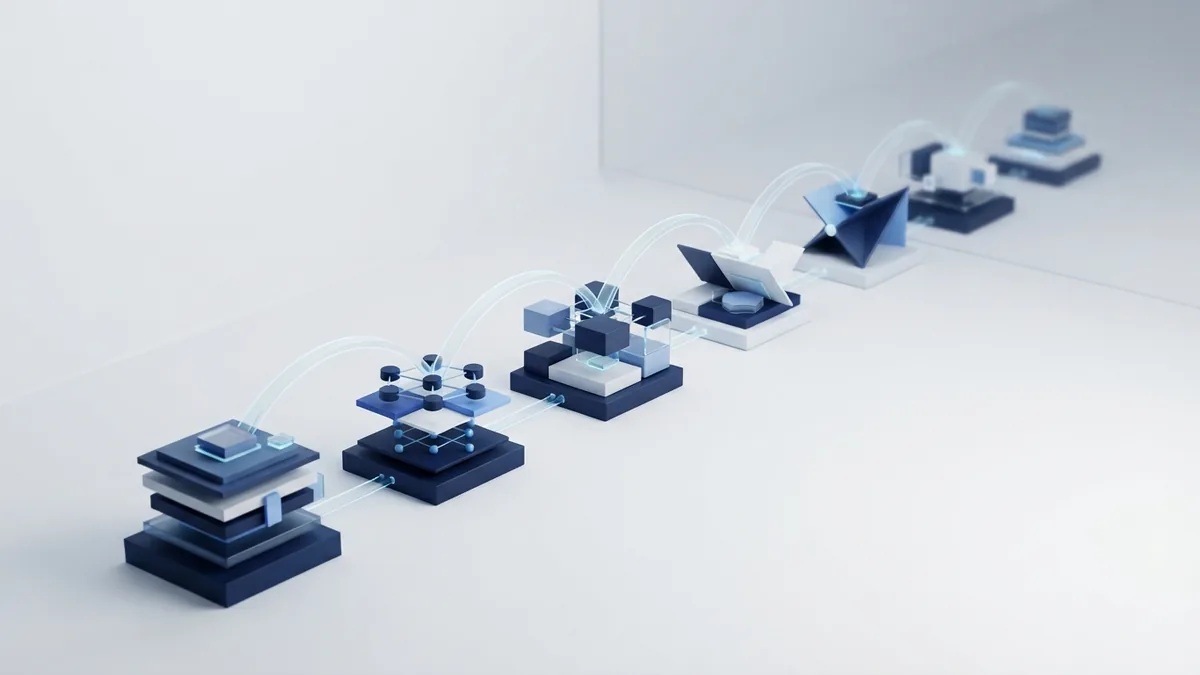
Most software life cycle models include the same core phases. The order and depth vary by model.
- Planning: Define the business goal, scope, team, budget, and target date.
- Requirements analysis: Learn what users and other stakeholders need.
- Design: Plan the system structure, data flow, screens, and key technical choices.
- Development: Build the software and connect its parts.
- Testing: Check features, security, speed, access, and failure cases.
- Deployment: Move the tested release into the live setting.
- Maintenance: Fix faults, improve features, and keep the system safe.
Testing should not wait until the end. Early tests can check a design, a small feature, or a risky system link.
Teams may also use continuous integration and deployment. Continuous integration joins code changes often. Automated checks then find breaks before release.
What happens in each phase?
Planning sets the target. Requirements turn that target into clear user and system needs.
Design turns needs into a build plan. Development creates the product. Testing checks if it works as promised.
Deployment makes the product available. Maintenance keeps it useful after launch.
Comparing the Main SDLC Models
The main types of software development life cycle models differ in flow, feedback, and risk control. Use the table below as a quick guide.
| Model | Best fit | Main strength | Main limit |
|---|---|---|---|
| Waterfall | Stable needs and fixed scope | Simple stages and clear records | Hard to change late |
| Agile | Changing needs and close user input | Fast feedback and steady value | Scope can grow without firm control |
| V-model | Safety or quality-focused systems | Links each build stage to tests | Change can be slow and costly |
| Spiral | Large projects with major risks | Strong risk checks in each cycle | Needs skilled planning and tracking |
| Iterative | Needs that will grow over time | Early versions guide later work | Early versions may lack key features |
| RAD | Small or medium tools needing speed | Quick builds and user review | Needs ready users and skilled builders |
Waterfall and the V-model
The Waterfall model moves through set stages in a mostly fixed order. It works well when needs are known and change is rare.
Its clear plan helps with contracts, audits, and handoffs. Still, users may not see working software until late in the project.
The V-model adds a matching test step for each build step. It can suit medical, safety, or finance systems that need strong proof.
Agile, Iterative, and RAD
Agile breaks work into short cycles. Teams review working features with users, then set the next set of tasks.
Agile is adaptive and customer-focused. It can also cause scope creep when new requests enter without trade-offs.
Iterative work improves a product through repeated versions. RAD uses quick prototypes and close user review to shorten delivery time.
Spiral and risk-led work
The Spiral model repeats planning, design, build, and review. Each round focuses on the risks that matter most.
This model can protect large or uncertain projects from major surprises. It costs more to manage than a simple staged plan.
Strengths and Limits of Each Model
No model wins in every setting. The right choice depends on what the project must protect.
- Waterfall: Easy to follow and document. It handles change poorly after sign-off.
- Agile: Delivers value often and welcomes feedback. It needs strong scope control and active users.
- V-model: Builds tests into the plan. It can delay useful feedback until key work is set.
- Spiral: Finds risk early through repeated review. It may exceed the budget for small work.
- Iterative: Learns from each version. It needs a clear long-term goal to avoid rework.
- RAD: Produces prototypes quickly. It may struggle with large systems or strict controls.
Quality depends on more than the chosen model. Clear needs, good code review, useful tests, and sound release checks matter just as much.
Teams should also track defects and missed needs. Simple measures can show whether each cycle improves speed and quality.
How to Choose the Right SDLC Model
Start with the project conditions, not a favorite team method. Ask what can change, what can fail, and when users need results.
A small internal tool may need RAD or Agile. A system with fixed legal rules may suit Waterfall or the V-model.
A high-risk platform may need Spiral planning. A new product with unclear needs may benefit from Iterative work.
A practical selection checklist
- Check requirement stability. Choose a staged model for firm needs. Choose Agile or Iterative work for change.
- Rate project risk. Choose Spiral when unknown risks could harm cost, safety, or trust.
- Review team size. Small teams often need simple plans. Large teams need clear roles and records.
- Set budget limits. Match the model to the time available for reviews, tests, and planning.
- Check user access. Agile and RAD need regular input from real users or client staff.
- Plan testing needs. Use the V-model when each stage needs strong test evidence.
- Pick feedback points. Set reviews before major cost, design, or release decisions.
Teams can combine models with care. For example, they may plan a fixed system core with Waterfall, then build user features through Agile cycles.
Write down the reason for your choice. Review that choice when scope, risk, team size, or delivery dates change.
Final Takeaway: Match the Model to the Work
Software development life cycle models give structure to software planning and delivery. They cover the same broad needs, but they handle change and risk in different ways.
Waterfall brings order. Agile brings fast feedback. The V-model links work to tests. Spiral manages risk through repeated review.
Iterative and RAD approaches help teams learn through early versions. The best model supports the project's real constraints.
Choose a model that fits the needs, people, budget, and timeline. Then use short feedback loops, strong tests, and clear review points.
Frequently asked questions
What are software development life cycle models?
They are structured ways to plan, build, test, release, and maintain software. Each model sets a different flow for feedback, risk, and change.
What are the main phases of the SDLC?
The main phases are planning, requirements analysis, design, development, testing, deployment, and maintenance. Teams may overlap these phases.
Which SDLC model is best for changing requirements?
Agile or Iterative models often fit changing requirements. Both use short cycles and regular feedback to guide later work.
What is the difference between Waterfall and Agile?
Waterfall follows a mostly fixed sequence and suits stable scope. Agile delivers in short cycles and adapts as users provide feedback.
When should a team use the Spiral model?
Use Spiral when major technical, cost, safety, or delivery risks need repeated review. It suits large and uncertain projects.
How do I choose an SDLC model?
Review requirement stability, risk, team size, budget, timeline, user access, and testing needs. Pick the model that best protects the project's main goals.