What Is the SDLC Life Cycle?
The SDLC life cycle is a structured way to plan, build, test, release, and support software. It gives teams a clear path from an early idea to a working product. The usual flow includes planning, requirements, design, development, testing, deployment, and maintenance.
Each phase has a clear goal and a set of outputs. These outputs may include a project plan, feature list, design notes, source code, test results, or support records. Teams can then track progress and spot risks before they grow.
SDLC does not force every team to work in the same way. A small product team may use short Agile cycles. A large project with fixed rules may use Waterfall. The best approach depends on risk, scope, users, and change rate.
The Seven SDLC Life Cycle Steps
The seven SDLC life cycle steps form a common guide for software work. Some teams merge steps or repeat them. Still, the core goals stay much the same.
- Planning: The team defines the problem, goals, budget, timeline, and key risks.
- Requirements gathering: Stakeholders explain what the software must do. The team records user needs, rules, and limits.
- Design: Architects plan the system shape, data flow, user paths, and technical choices.
- Development: Developers turn approved designs into working code and related services.
- Testing: Testers check features, speed, safety, access, and use across agreed cases.
- Deployment: The team moves the product into a live setting and watches the release closely.
- Maintenance: Support teams fix faults, patch risks, and improve the product over time.
These phases of software development are not always one-way. A failed test can send work back to design. User feedback can change a requirement. Clear records help the team make each change with less confusion.
How Each Phase Supports Better Delivery
Planning sets the frame for the whole project. It helps leaders decide what belongs in the first release. It also exposes limits in staff, time, data, or funding.
Requirements work turns broad wishes into testable needs. For example, “fast search” is weak on its own. “Return results within two seconds for 95% of searches” gives the team a clear target.
Design reduces costly changes during development. A strong design shows how parts connect and where data moves. It also covers failure paths, access rules, and future growth.
Testing in SDLC should start early, not just before release. Small checks can run with each code change. Later tests can cover full user journeys, load, and security. This approach cuts the cost of fixing faults late.
Deployment needs more than a final upload. Teams need a release plan, a way to undo changes, and clear support owners. Maintenance then keeps the product safe, useful, and fit for new needs.
Common Models of the SDLC Life Cycle
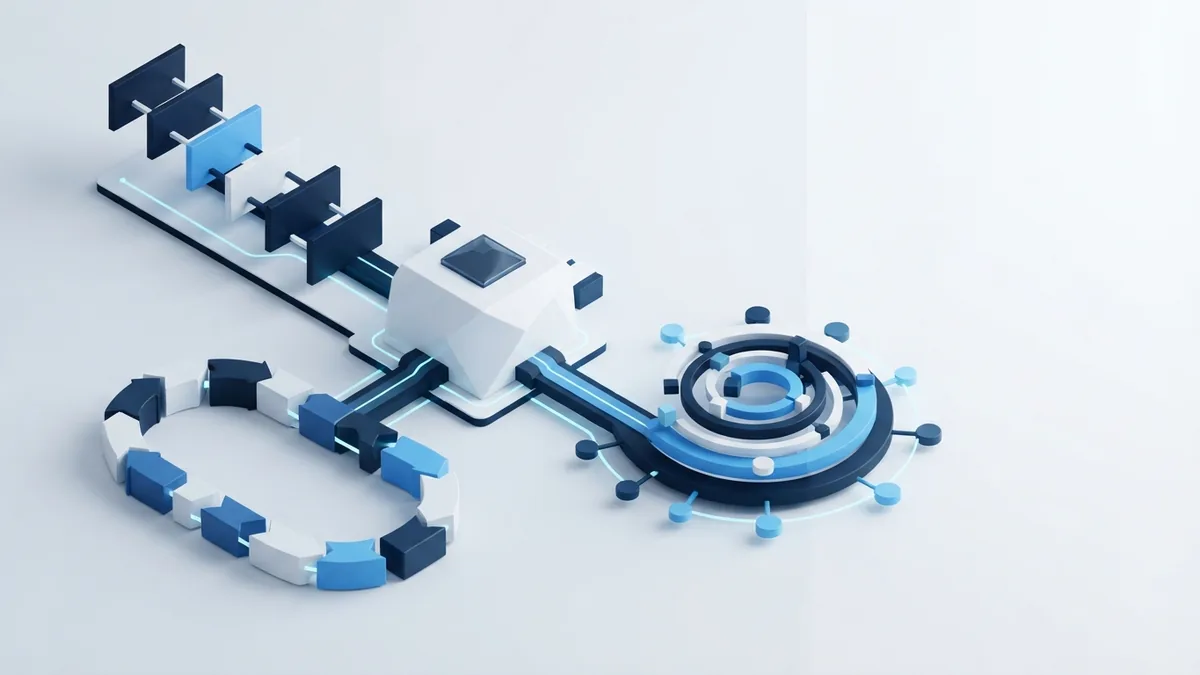
The models of SDLC life cycle work best in different settings. A model sets the order of work, the feedback loop, and the way teams handle change. Picking the right model can lower risk and improve team focus.
- Waterfall: Teams finish one phase before the next begins. It suits work with stable needs, fixed scope, and strict records. Late changes can cost more.
- Agile: Teams build small parts in short cycles. They review results often and adjust the plan as needs change. This agile SDLC life cycle suits products with active user feedback.
- V-Model: Each build phase links to a matching test phase. It suits work where proof and traceability matter, such as safety-focused systems.
- Iterative: Teams repeat design, build, and review in several rounds. Each round improves the product through learning.
- Spiral: Teams tackle the highest risks in repeated loops. This model can suit large, complex work with unknown technical risks.
For example, a tax system with fixed legal rules may fit Waterfall or the V-Model. A customer app may fit Agile. A research-heavy platform may need Spiral. The model should match the cost of change and the level of risk.
Why SDLC Matters for Project Success

SDLC gives software teams a shared way to work. It makes ownership clear and gives leaders useful points for review. It also supports better project management in SDLC through plans, records, and agreed checks.
Good records help teams explain why they made a choice. They also help new staff learn the system faster. When a defect appears, the team can trace it back to a need, design choice, or code change.
A clear process can also improve cost control. Teams can rank features before work begins. They can test high-risk parts early. They can stop low-value work before it takes over the schedule.
SDLC is not a promise that every project will finish on time. It is a way to spot drift sooner. Short reviews, clear owners, and honest status reports give leaders time to act.
Security Across the SDLC

Security should run through every phase of the SDLC. Waiting until the end makes fixes slower and more costly. DevSecOps adds security checks to daily development instead of treating them as a final gate.
During planning, teams set security goals and name key risks. During requirements work, they define access rules, data needs, and privacy limits. During design, they plan safe data flow, strong sign-in, and least access.
Developers can scan code and third-party parts during development. Testers can check abuse cases, weak access, and unsafe input. Before release, the team should review settings, secrets, logs, and backup plans.
After release, teams watch for odd activity and patch known flaws. The NIST Secure Software Development Framework gives teams a trusted set of practices for this work.
Security work must fit the product risk. A public payment service needs deeper checks than a small internal tool. Still, every system needs clear owners and a plan for known threats.
Key SDLC Challenges and Common Mistakes
Many SDLC problems begin with unclear needs. A team may build what one stakeholder meant, not what users need. Simple examples, written rules, and review sessions can close that gap.
Delayed testing is another common mistake. When teams test only near launch, defects pile up. Early tests spread the work and give developers fast feedback.
- Insufficient stakeholder feedback: Review working features at set points, not just at launch.
- Scope creep: Record each new request and assess its effect on time, cost, and risk.
- Weak ownership: Name one owner for each key decision and output.
- Poor records: Keep requirements, design choices, test results, and release notes in one shared place.
- Late security checks: Add threat review, code checks, and access tests from the start.
Teams should also avoid treating the first plan as fixed truth. New facts may change the best path. A controlled change process lets teams adapt without losing track of the goal.
How to Use SDLC on a Real Project
Start with a short project brief. State the user problem, first release goal, success measure, and known limits. Then list the people who can approve scope and key risks.
Next, turn needs into small, testable items. Rank them by user value and risk. Build a thin first release that proves the hardest parts early.
Set review points for design, code, testing, security, and release. Each review should end with a clear decision. It should also name the next owner and due date.
Use the model as a guide, not a shield. If new facts appear, update the plan with a visible record. This keeps the team flexible while protecting time and quality.
Final Takeaway
SDLC gives software teams a clear path from idea to long-term support. Its seven stages help teams plan well, build with purpose, test early, and release with care.
There is no single best SDLC model. Waterfall, Agile, V-Model, Iterative, and Spiral each fit different needs. The strongest teams match the model to risk, change, and user feedback.
Security belongs in every phase, not just the final review. With clear requirements, early testing, steady feedback, and controlled scope, teams can deliver better software with fewer surprises.
Frequently asked questions
What is the SDLC life cycle?
The SDLC life cycle is a structured process for planning, designing, building, testing, releasing, and supporting software. It gives teams clear work stages and review points.
What are the seven steps of the SDLC life cycle?
The seven steps are planning, requirements gathering, design, development, testing, deployment, and maintenance. Teams may repeat or merge steps based on project needs.
Which SDLC model is best for changing requirements?
Agile often suits changing requirements because teams build in short cycles. They review working software and adjust the plan often.
Why is security important in the SDLC?
Security checks help teams find risks before release. DevSecOps adds these checks across planning, design, development, testing, deployment, and maintenance.
What are common mistakes in SDLC projects?
Common mistakes include unclear requirements, late testing, weak stakeholder feedback, poor records, and uncontrolled scope growth. Early reviews can reduce these risks.