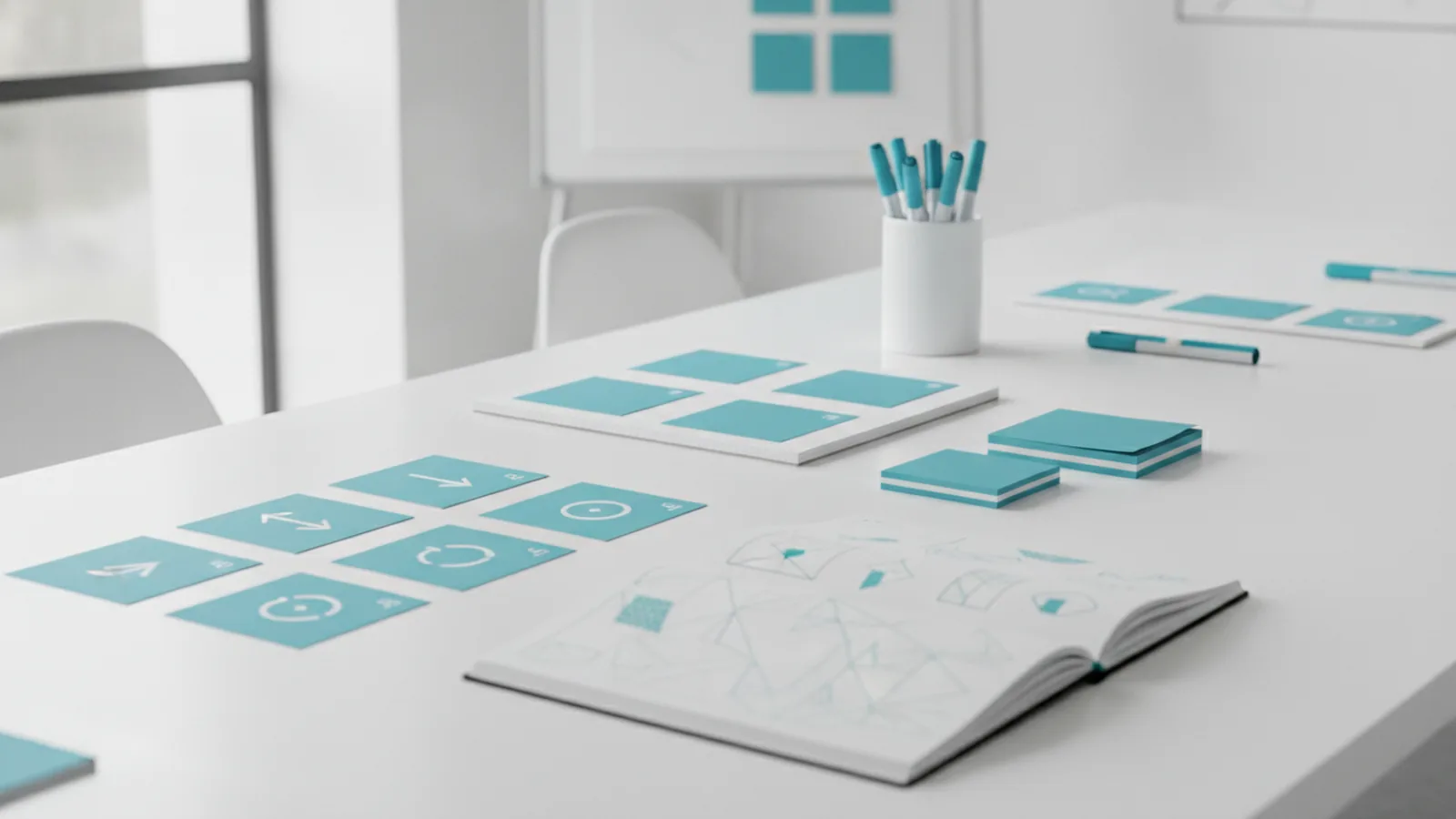
Introduction to Agile
Agile is an iterative way to manage projects and build useful products. It values teamwork, fast feedback, and useful results. Teams deliver small pieces instead of waiting for one large launch.
If you ask, “agile what is it,” the short answer is simple. Agile helps teams plan, build, learn, and adjust in small steps. It works well when needs may change during a project.
A customer may test an early feature and request a new flow. The team can respond before months of work pass. This approach can reduce waste and improve the final product.
Agile began in software work. Its ideas now support design, marketing, data, and product teams. The goal stays the same. Deliver useful work often, then improve it through learning.
Agile is not one tool or fixed process. It is a set of values and guiding ideas. Teams choose a method that fits their work, risk, and goals.

Core Values of Agile
The Agile Manifesto sets out four core values. It gives more weight to people, working products, customer teamwork, and change.
- People and teamwork over processes and tools. Tools help, but strong teamwork matters more.
- Working products over broad records. Notes help, but a working result gives clearer proof.
- Customer teamwork over contract debate. Regular talks help teams solve the right problem.
- Responding to change over fixed plans. A plan guides work, but new facts may change it.
These values do not reject plans, tools, records, or contracts. They set a clear order of importance. Teams should use each one when it helps the main goal.
Agile also promotes frequent feedback and steady delivery. Teams learn from real use rather than guesses alone. This is called an empirical process. It means decisions rely on what the team sees and learns.
Self-organizing teams decide how to share work and solve problems. Leaders still set direction and remove blocks. They also protect the team from noise and needless delay.
Agile Methodology Explained
Agile methodology uses short work cycles and regular review. A cycle may last one week, two weeks, or another set period. The team picks a small goal and aims to deliver a usable result.
Before work starts, the team ranks needs by value and risk. It then breaks the top need into small tasks. This makes progress easier to see and problems easier to spot.
- Set a clear goal. Define the user need and the result that would solve it.
- Choose a small slice. Select work that the team can finish and test soon.
- Build and test together. Check quality during the cycle, not only at the end.
- Show the result. Invite user feedback while change remains cheap.
- Improve the work. Keep useful habits and fix one weak spot next cycle.
This is iterative development. Each round adds value and new learning. It differs from a plan that locks most scope before users see the result.
Agile project management does not mean that teams skip planning. It means plans can change as new facts appear. Teams still track scope, cost, risk, and delivery dates.
Agile also differs from waterfall. Waterfall usually moves through set stages in a planned order. Agile delivers and checks work throughout the project. Neither choice fits every case.
Key Agile Frameworks
Agile is the broad set of values and principles. A framework gives a team clearer rules for using those ideas. Scrum, Kanban, Lean, and Extreme Programming are common examples.
| Framework | Main focus | Useful when |
|---|---|---|
| Scrum | Short cycles, roles, and review | A team needs a clear work rhythm |
| Kanban | Visual flow and work limits | Work arrives often and priorities shift |
| Lean | Customer value and less waste | A team needs to cut delay or unused work |
| Extreme Programming | Code quality and close feedback | A software team needs safe, fast change |
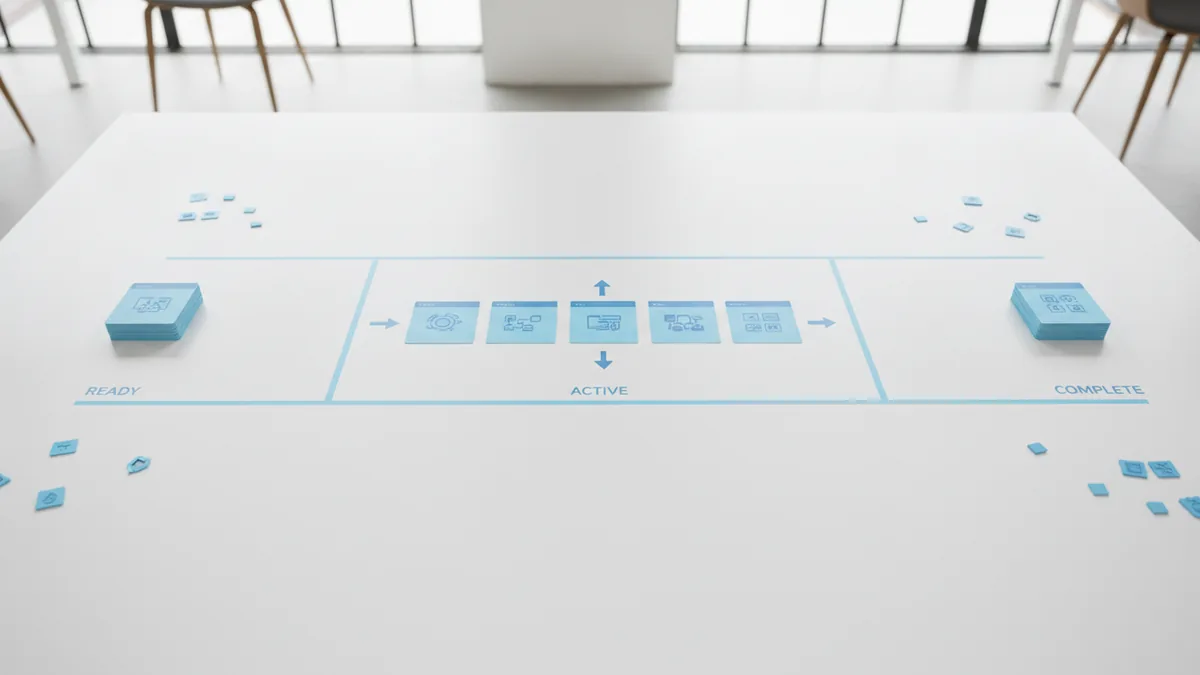
Kanban often uses columns such as ready, doing, and done. Work limits stop the team from starting too many tasks. This helps reveal blocked work.
Lean asks which steps create value for the customer. It also asks which steps add delay, errors, or cost. Extreme Programming adds pair work, test-first coding, and frequent releases.
These are scrum agile development methodologies only in a broad search sense. Scrum is a framework. Kanban, Lean, and XP are different Agile approaches.
A team may blend ideas from more than one framework. The best fit depends on team size, risk, and work type. A framework should serve the team, not become a box to tick.
Scrum in Agile: Overview
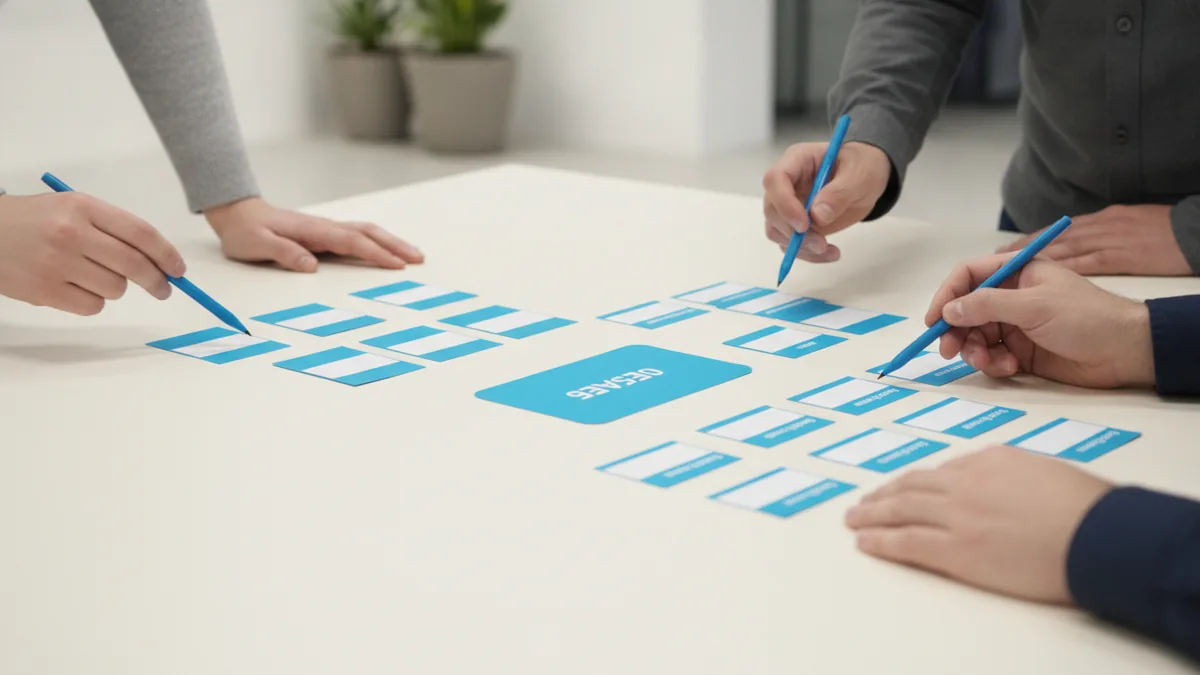
Scrum is one specific Agile framework. So, “what is scrum agile” has a clear answer. Scrum uses short cycles called sprints, teamwork, review, and steady improvement.
In simple terms, what is meant by Scrum in Agile? Scrum is a structured way to apply Agile values. It gives teams a shared rhythm for planning, building, checking, and learning.
Scrum uses accountabilities, events, and work items. The Product Owner orders the work. The Scrum Master helps the team use Scrum well. Developers create the product and protect its quality.
A Scrum team is small and cross-skilled. If you ask, “what is a scrum team in agile,” it is a group that works toward one product goal. The team shares responsibility for each sprint result.
- Product Backlog: An ordered list of work that may improve the product.
- Sprint: A fixed work period that lasts one month or less.
- Sprint Planning: A session for setting the sprint goal and choosing work.
- Daily Scrum: A short event for checking progress toward the sprint goal.
- Sprint Review: A session for viewing the result and discussing next steps.
- Sprint Retrospective: A private team talk about better ways to work.
The official Scrum Guide defines Scrum’s roles, events, and accountabilities. It also explains Scrum as a framework for complex work.
In Scrum in Agile software development, each sprint should produce a usable product increment. Teams test quality during the sprint. They do not leave all testing until the end.
That answers “what is scrum framework in agile” and “what is a scrum in agile software development.” Scrum is the framework. The sprint is its short work cycle. The product increment is its usable result.
Benefits of Using Agile
Agile can help teams respond to change without losing sight of the product goal. Small releases expose weak ideas early. Teams can then change course before costs rise.
Customers also see progress sooner. Their feedback can shape the next cycle. This often improves fit, trust, and satisfaction.
- Faster delivery of working features
- Earlier discovery of risks and defects
- Closer teamwork across skills
- Better response to new customer needs
- Clearer progress through small results
Agile does not promise instant delivery. Teams still need skilled people, clear goals, and sound technical work. Short cycles cannot fix poor priorities or unclear ownership.
Agile testing also happens throughout the work. When people ask, “what is Scrum in Agile testing,” the answer concerns checks inside each sprint. The team tests features as they build them.
Common Misconceptions About Agile and Scrum
Is Scrum and Agile the same? No. Is Scrum the same as Agile? No. Agile is the wider set of values and principles. Scrum is one framework that follows them.
So, what is Scrum vs Agile? The comparison is broad ideas versus a named work system. Scrum adds defined roles, events, artifacts, and sprint rules.
Is Scrum an Agile methodology? Many teams use that phrase. More precisely, Scrum is an Agile framework. Is Scrum part of Agile? Yes. Are Scrum and Agile the same thing? No.
| Question | Short answer |
|---|---|
| Is Scrum Agile or waterfall? | Scrum is Agile, not a waterfall method. |
| Is Scrum and Agile methodology the same? | No. Scrum is one framework within Agile. |
| What is Scrum in Agile project management? | It is a sprint-based framework for managing complex product work. |
| What is Scrum meeting in Agile? | It often means the Daily Scrum, a short progress check. |
| What is Scrum of Scrum in Agile? | It is a coordination meeting between people from several Scrum teams. |
| What is sprint and Scrum in Agile methodology? | A sprint is the fixed cycle used to create a product result. |
Some people also ask, “what is a Scrum Agile development” or “what is a Scrum in Agile software development.” Both questions point to Scrum’s use in software work. Scrum sets the work rhythm, while the team chooses suitable build and test practices.
One team may use Scrum. Another may use Kanban. Both can follow Agile values. The right choice depends on the work, the risks, and the team’s needs.
Agile works best when teams learn in public and act on that learning. Scrum offers one clear path. It is useful, but it is not the whole of Agile.
Frequently asked questions
Agile what is it?
Agile is an iterative way to manage work. Teams deliver small results, seek feedback, and adjust their plans.
What is Scrum in Agile?
Scrum is a specific Agile framework. It uses sprints, defined accountabilities, regular events, and product reviews.
Is Scrum and Agile the same?
No. Agile is the wider set of values and principles. Scrum is one framework that applies those ideas.
Is Scrum Agile or waterfall?
Scrum is an Agile framework, not a waterfall method. It uses short sprints and regular learning.
What is a Scrum team in Agile?
A Scrum team is a small, cross-skilled group that works toward one product goal. It shares responsibility for each sprint result.
What is a Scrum meeting in Agile?
The Daily Scrum is a short event for checking progress toward the sprint goal. It helps the team plan its next day of work.