Understanding What an MVP Means
What is MVP? MVP stands for Minimum Viable Product. It is an early product with enough features for real use.
People often ask, “what is mvp mean?” The answer is a small product that solves one clear problem.
Others ask, “mvp stands for what?” or “what mvp stand for?” Both questions have the same answer.
- Minimum: Include only the features needed for the first user goal.
- Viable: Give users a useful result, not a broken demo.
- Product: Let customers complete a real task.
An MVP is more useful than a mock-up. A mock-up tests an idea or screen flow.
An MVP lets users complete a task. Manual work may support the product behind the scenes.
Eric Ries helped make the term popular through the Lean Startup method. You can review the Lean Startup principles for its core ideas.
For entrepreneurs, an MVP tests a business guess. It does not excuse unsafe code or poor support.
Small scope can still include sound design and careful data handling.
Why MVPs Matter in Product Development
An MVP helps a team test demand before a large spend. Real use gives stronger proof than opinions.
This is the value of an MVP in product development. It shows whether users want the core answer to their problem.
Early use can also expose weak parts of the idea. Users may need a new price, flow, or delivery method.
That insight can save months of work. It can also stop a team from building features nobody needs.
A strong MVP has one clear learning goal. The goal might cover task completion, repeat use, or paid sign-ups.
| Question | Evidence to track |
|---|---|
| Do users need it? | Target users try the core solution |
| Can users use it? | Users finish the main task without help |
| Will users pay? | Interest leads to a real buying action |
| Will users return? | Users come back after the first visit |
Product-market fit means a product meets a strong need for a clear group. An MVP does not prove that fit alone.
It helps the team find the next useful test. That turns hope into business validation.
How to Develop an MVP
Start with one customer group and one painful problem. Avoid serving every market at the same time.
Write the main business guess in one short sentence. This claim gives the team a clear test.

For example, small shops may pay for a tool that cuts stock waste. The claim is easy to check with early users.
Map the shortest path from the problem to the result. Remove features that do not support that path.
- Interview target users about the problem and their current fix.
- Study rival products, prices, and gaps in the market.
- Rank needs by user value and build effort.
- Create a simple prototype before writing full product code.
- Build the core flow with safe and stable tools.
- Set one to three measures for the first release.
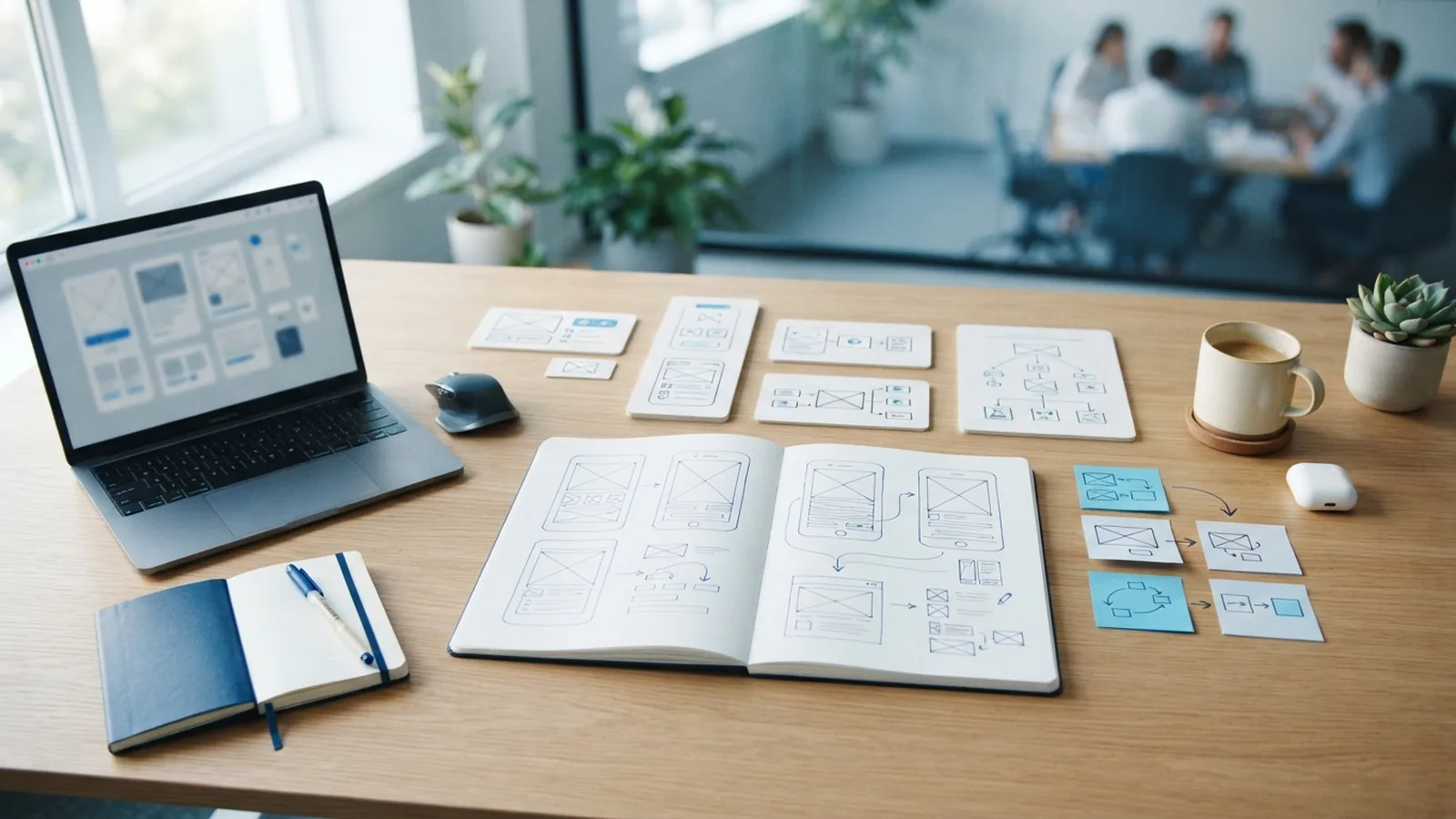
Prototyping can reveal weak ideas before code work starts. A sketch or test page may be enough.
A manual service can also test demand. Users still receive the promised result.
Set a firm scope before work begins. A small team may need four to eight weeks.
In app development, the MVP might include one sign-in path and one core task. The build should match the test question.
Testing an MVP With Real Users
MVP testing means releasing the product to a limited audience. This group should match the target customer.
Give testers one clear task. Watch where they pause, quit, or ask for help.

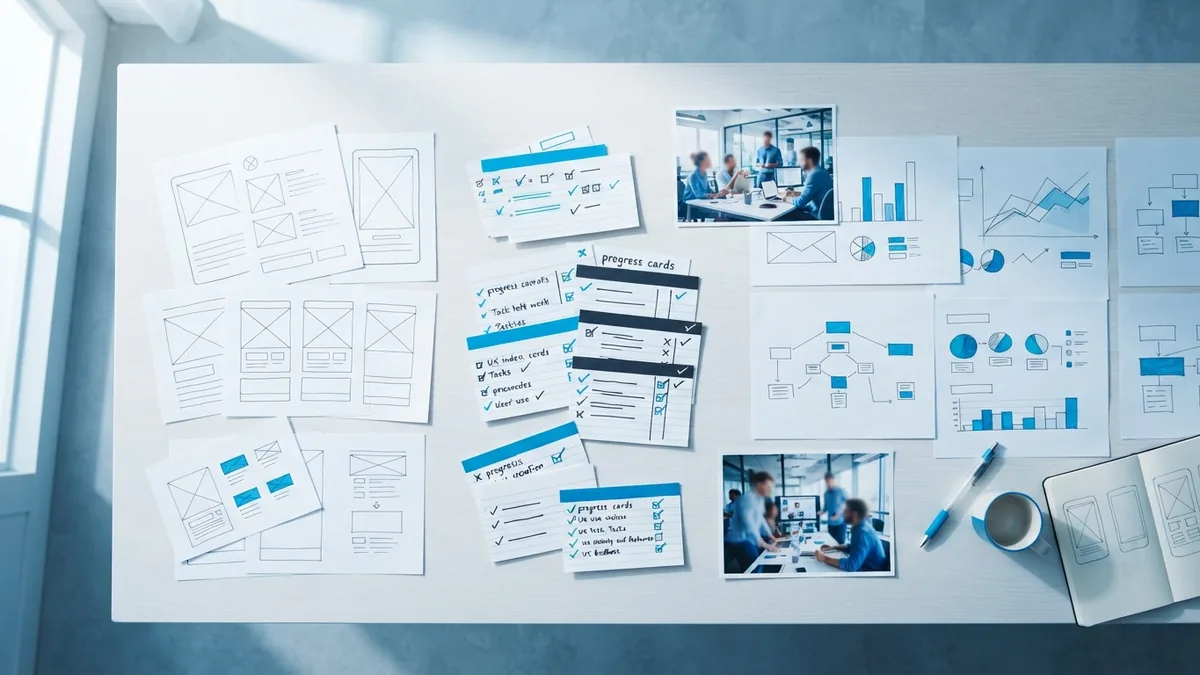
Mix numbers with direct feedback. Usage data shows what happened, while interviews can show why.
- Track how many users start the main task.
- Track how many users finish it.
- Ask what felt hard or unclear.
- Measure repeat use after one week.
- Record requests tied to the main problem.
Do not treat every request as a new feature. Look for patterns across several users.
Run one test at a time when possible. Change one key part, then compare the results.
Set a review date before launch. Then improve, change direction, or stop.
Protect user trust during the test. Explain what the early version can and cannot do.
Common Misconceptions About MVPs
An MVP is not the cheapest product a team can ship. It is the smallest product that can test a real need.
It should not feel careless or broken. Users can accept a narrow feature set, but they still need a clear result.
An MVP is also not a final product. Teams should expect changes after each useful test.
- A prototype shows a concept, while an MVP supports real use.
- A feature list describes scope, while an MVP tests a promise.
- A beta release may have many features, while an MVP may have only one flow.
In project management, an MVP gives a team a small release goal. It helps the team plan work around learning.
In agile development, the team can ship, learn, and improve in short cycles. MVP work still needs sound planning.
Examples of Successful MVPs
Many well-known products began with a narrow service. Their early versions tested one user need before wider growth.
Airbnb first tested short stays with a simple listing service. The founders learned whether guests would book space in homes.

Dropbox used a short product demo to test interest before building the full service. The demo showed the main benefit with little code.
These examples share a useful pattern. Each first version focused on one promise and one group of users.
| Example | Early test | Lesson |
|---|---|---|
| Airbnb | Book a short stay | Test demand for home-based lodging |
| Dropbox | Show simple file syncing | Test interest before a full build |
| Buffer | Show planned posts and pricing | Test demand for a work tool |
These stories do not mean every MVP will succeed. They show how a focused test can guide later work.
Limits and Criticism of the MVP Approach
MVPs reduce some risks, but they do not remove all risk. Early users may not match the wider market.
Negative feedback can harm a company’s name. This risk grows when the release feels unsafe, slow, or poorly supported.
A weak first version can also create false results. Users may reject a good idea because the test was hard to use.
- Set clear limits for safety, privacy, and service quality.
- Choose early users who match the intended market.
- Explain the test scope before users start.
- Fix serious faults before adding new features.
- Watch for signs that the product needs a new direction.
Competitors may copy an idea before the team gains legal protection. A team should review its data, code, and brand risks first.
An MVP also cannot answer every business question. It may show demand without proving long-term profit.
Use the approach as a learning tool, not a rule. The right scope depends on the product, users, and level of risk.
What Comes After an MVP?
After the first test, compare results with the original goal. Do not judge success by downloads or praise alone.
Look for steady use, completed tasks, paid actions, and clear user needs. These signs show whether the product deserves more work.
Teams often choose one of three paths:
- Improve: Keep the main idea and fix the biggest user barriers.
- Change direction: Use the lessons to serve a new need or group.
- Stop: End the work when the evidence does not support more spend.
The next version should answer a sharper question. This cycle creates steady learning without waste.
That is the real purpose of an MVP. It helps teams build with evidence, not guesswork.
Frequently asked questions
What does MVP stand for?
MVP stands for Minimum Viable Product. It is an early product with enough features for real users to complete a useful task.
What is the purpose of an MVP?
An MVP tests one clear business idea with real users. It helps a team learn before making a large investment.
What is MVP in project management?
An MVP in project management is a small release with a clear learning goal. It keeps the team focused on the most useful work.
What is MVP testing?
MVP testing means releasing a limited version to a small target group. The team tracks use and gathers direct feedback.
What is the difference between an MVP and a prototype?
A prototype shows how an idea may work. An MVP lets users complete a real task with the product.
What comes after an MVP?
After an MVP, a team can improve the product, change direction, or stop. The choice should follow user evidence and business results.