
What an agile software process means
An agile software process builds software in small steps, then uses feedback to guide the next step. Teams plan, design, build, and test in repeated cycles instead of waiting for one final release. This approach helps teams respond when user needs or business goals change.
A software process model sets out how a team will do its work. An agile software process model is not one fixed recipe. It is a way to shape work around short delivery cycles, close teamwork, and regular checks of working software.
For example, a team building a booking service might first ship search and booking. Users can try those features while the team works on payments and account tools. The team can then use real feedback to set its next priorities.
Agile does not mean skipping plans or quality checks. It means making plans in small, revisable steps. A team still needs clear goals, sound design, testing, and ownership of its work.
Agile compared with waterfall and spiral

Traditional models tend to define phases and handoffs before most work begins. The waterfall software process model moves through set stages, such as needs, design, build, test, and release. It can fit work with stable needs and strict approval steps. Late changes can be costly, since they may force teams to revisit earlier stages.
The spiral software process model repeats planning and build work in cycles. Each cycle gives attention to risk, such as an unknown technical need or a safety concern. It can suit large, high-risk work, but it often needs more planning and skilled risk review than a small product team can spare.
Agile also works in cycles, but it puts frequent delivery and user input at the heart of the work. A team may release a small feature every few weeks, rather than wait for a large launch. The right choice depends on risk, rules, team skills, and how often needs are likely to change.
| Model | How work moves | Useful when |
|---|---|---|
| Waterfall | Stages follow a set order | Needs are stable and approvals are clear |
| Spiral | Cycles test key risks | Risks are high and need close review |
| Agile | Short cycles deliver and refine features | Feedback can shape ongoing work |
Core ideas behind agile work

The Agile Manifesto sets out four values and twelve principles. It favors people and teamwork, working software, customer input, and adapting to change. It does not reject plans, tools, contracts, or process. It gives more weight to direct collaboration and useful results.
These values shape daily choices. A team may show a working feature to users before polishing a long report. It may change its plan after a test shows that users struggle with a task. Frequent feedback keeps the team close to the real problem.
Collaboration matters because no one role has all the facts. Developers, designers, testers, and product owners share what they learn. Short daily check-ins can surface delays, while review sessions let users react to working features.
Agile teams also aim to keep software in a releasable state. Continuous integration means merging and testing code often, rather than saving all checks until the end. Small changes make faults easier to find and fix.
Read the original Agile Manifesto values and principles for its full wording. The text is brief, but applying it well takes clear goals and steady team habits.
Common agile and related process models
There are many types of software process model. Incremental and evolutionary approaches are often used within agile work, though they are not the same as a single agile method. Teams can choose a framework that fits their product and skills.
- Incremental development: The team delivers useful parts in stages. Each increment adds features to a product that can be tested and used.
- Iterative development: The team revisits and improves a feature through repeated cycles. Early versions help test ideas before the team invests in polish.
- Evolutionary development: The product grows as the team learns more about user needs. This can include prototyping approaches, where a rough version tests a key idea.
- Scrum: A team plans work in time-boxed sprints, often lasting one to four weeks. It reviews progress and chooses the next work at set points.
- Kanban: Work moves across a visual board, often from “ready” to “in progress” to “done.” Teams limit unfinished work to help spot bottlenecks.
Rapid application development, or RAD, also favors quick builds and user feedback. It can help when teams can test prototypes with users and keep the scope in check. None of these labels guarantees success. Clear ownership, good tests, and honest feedback matter more than the name of the model.
Teams may blend these methods. For instance, a team can plan in sprints while using a board to track work. The aim is a process that makes progress visible without adding needless steps.
Why teams choose agile development
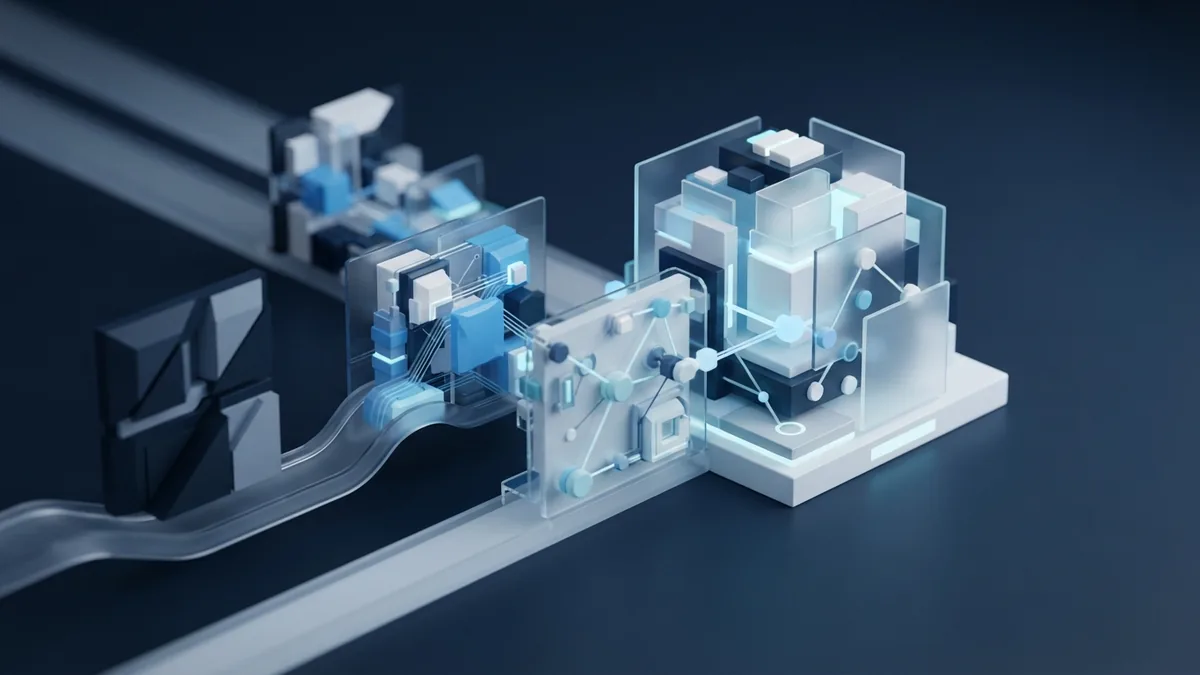
Agile can shorten time-to-market because teams release usable parts before the whole product is finished. A business might test a basic order flow with a small group, then add features based on what customers do. That gives the team evidence sooner than a single, late release.
Frequent feedback also makes change less costly. If users find a confusing step, the team can fix it in the next cycle. Smaller releases can reduce the risk of spending months on a feature no one needs.
Agile improves visibility when the team shares its goals, work, and blockers. Product owners can see what is ready and what needs a decision. Teams can also find quality issues earlier through regular testing and code checks.
These gains are not automatic. A team that skips user research may build the wrong thing in short cycles. A team that ships without testing may release defects more often. Agile works best when feedback, quality, and business value guide each cycle.
How to bring agile into an organization
Start with a real product need, not a company-wide change slogan. Pick one team with a clear goal and a stakeholder who can give timely feedback. A small pilot lets the group test new habits before changing every project at once.
Set up a visible list of work, then rank it by user value and risk. Break large requests into small features that can be built and tested within a short cycle. Agree on what “done” means, including code review, tests, and any needed release checks.
- Choose a focused pilot. Set one outcome, such as reducing the time needed to complete a key user task.
- Name decision owners. Give someone the power to rank work and answer questions quickly.
- Plan a short cycle. Select a small set of tasks the team can finish and review together.
- Show working results. Ask users and stakeholders what works, what fails, and what matters next.
- Review the process. Track delivery time, defects, and user response. Change one team habit at a time.
Use measures that support learning, not pressure. For example, track how long work takes from start to release, along with escaped defects and user feedback. Avoid using the number of tasks completed as a score for individuals. That can reward rushed work over useful outcomes.
Challenges during an agile transition
A common barrier is a culture built around fixed plans and approval chains. Managers may expect teams to follow a full plan even when new evidence changes the best path. Leaders can help by setting clear goals, giving teams room to choose methods, and reviewing results often.
Teams can also struggle when roles are unclear or key people are too busy to give feedback. Set named owners for product decisions and book review time in advance. If a team waits days for answers, its short cycles will not lead to faster learning.
Another risk is adopting agile terms without changing daily work. Calling meetings “stand-ups” does not help if tasks stay blocked or no one tests the work. Keep the practices that solve real problems, and drop steps that add cost without value.
Large firms may need to work across many teams, rules, and older systems. Start by finding shared needs, such as release checks or design links, then improve one handoff at a time. Agile is not a cure for every project. It is a way to learn and deliver in small steps, with people working toward a shared result.
Frequently asked questions
What is an agile software process?
It is a way to build software in short cycles, with regular testing and feedback. Teams use what they learn to guide the next cycle.
How is agile different from the waterfall model?
Waterfall follows set stages, with much of the plan defined up front. Agile delivers work in small cycles and can adapt as needs change.
What are common agile software process models?
Scrum and Kanban are widely used agile methods. Teams may also use iterative, incremental, or evolutionary development approaches.
What are the main benefits of agile software development?
Teams can deliver useful features sooner, respond to feedback, and find problems earlier. These benefits depend on steady testing and real user input.
How can an organization start using agile?
Begin with one team, one clear goal, and a stakeholder who can give timely feedback. Review results after each cycle before expanding the approach.
What challenges arise when switching to agile?
Common issues include unclear roles, slow decisions, and pressure to keep fixed plans. Clear ownership and regular feedback help teams address them.